
-1.svg)
April is Child Abuse Prevention Month, a time dedicated to raising awareness, promoting education, and empowering communities to protect our children and teens. While much of the focus is rightly placed on physical safety and early childhood intervention, it’s equally crucial to spotlight how abuse, especially emotional and psychological abuse, affects teen mental health.
In 2022, North Carolina had 107,536 total referrals for child abuse and neglect. Of those, 62,304 were screened in for response by CPS. 23,134 child victims of abuse or neglect, at a rate of 10.1 children per 1,000 (15.2% decrease since 2018) according to “North Carolina’s Children” published by the Child Welfare League of America.
Teens walk a tightrope between dependence on their families and a desire for freedom and independence. During this transitional stage, they’re especially vulnerable, not just to physical or sexual abuse, but to more subtle forms of trauma like neglect and emotional manipulation. Abuse doesn’t just hurt in the moment, it reshapes how teens see themselves, how they relate to others, and how they cope with stress, anxiety, or fear.
According to Rape, Abuse & Incest National Network (RAINN) females ages 16–19 are four times more likely than the general population to be victims of rape, attempted rape, or sexual assault. Additionally, one in nine girls and one in 20 boys under age 18 experience sexual abuse or assault. These figures highlight the heightened risk of abuse faced by teenagers compared to younger children and the general population.
Abuse isn’t always visible. In teens, it shows up in quiet, internal ways or loud, rebellious ones. It includes sudden changes in mood or behavior, withdrawal from friends and activities, changes in eating or sleeping patterns, low self-esteem or feelings of worthlessness, reluctance to go home or to spend time with certain adults.
What is Child Abuse Prevention Month?
Child Abuse Prevention Month is a nationally recognized observance in the United States held every April to raise awareness about child abuse and neglect. It aims to educate the public, support families, and promote policies and practices that prevent maltreatment before it occurs. Established by presidential proclamation in 1983, the month is coordinated by organizations such as the Children’s Bureau and Prevent Child Abuse America, and is symbolized by the blue pinwheel, representing hope, resilience, and a happy childhood.
In 2023, an estimated 546,159 children in the United States were confirmed victims of abuse and neglect, reflecting a victimization rate of 7.4 per 1,000 children. Notably, children under the age of one experienced the highest rate of victimization at 21.0 per 1,000. Additionally, approximately 2,000 children died as a result of abuse and neglect during the same year according to the Child Welfare League of America.
What are the Effects of Trauma?
The effects of trauma are wide-ranging and impact both the mind and body. Trauma leads to emotional symptoms like anxiety, depression, and mood swings, as well as physical symptoms such as fatigue, sleep disturbances, and chronic pain. It also affects behavior, relationships, and a person’s ability to function in daily life. In some cases, trauma contributes to the development of conditions like PTSD or substance use disorders.
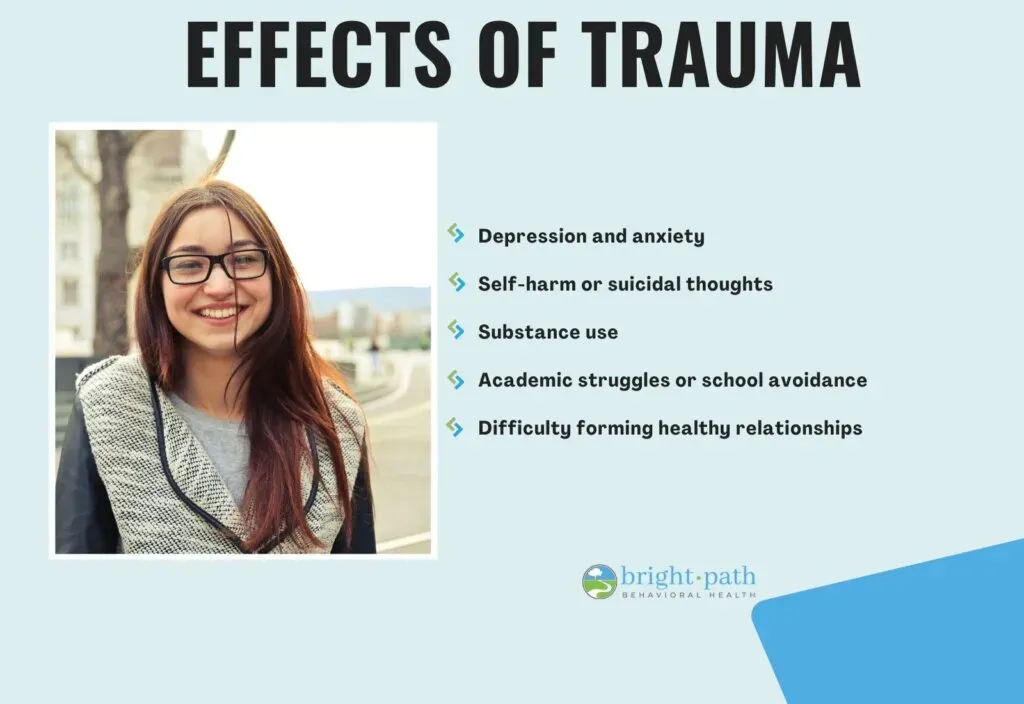
The effects of trauma include, but are not limited to:
- Depression and anxiety
- Self-harm or suicidal thoughts
- Substance use
- Academic struggles or school avoidance
- Difficulty forming healthy relationships
According to the National Child Traumatic Stress Network, children who experience trauma are 2.7 times more likely to have depression, 3 times more likely to experience anxiety disorders, and 2.4 times more likely to struggle with aggression or behavioral issues later in life. Trauma also increases the risk of substance use, academic difficulties, and long-term health problems.
Every teen deserves to be seen, heard, and believed. If you’re concerned about a young person, don’t ignore your instincts. Trust and listen without judgment.
How to Prevent Abuse?
To prevent abuse the most powerful tool is connection. Whether you’re a parent, teacher, coach, or friend, your presence matters.
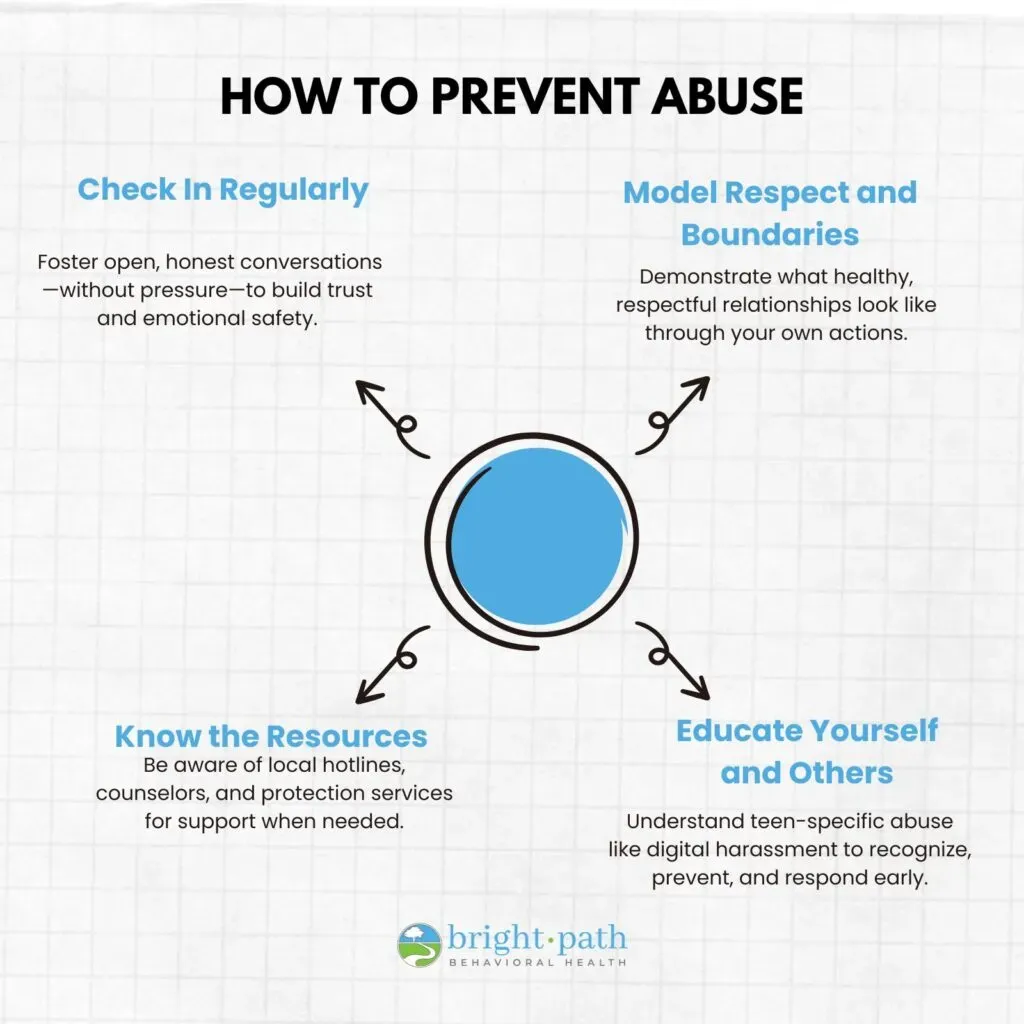
Here’s how to help:
- Check in regularly: Create space for open, honest conversation—without pressure or expectation.
- Model respect and boundaries: Show teens what healthy relationships look like.
- Know the resources: Familiarize yourself with local hotlines, counselors, and child protection services.
- Educate yourself and others: Awareness of teen-specific abuse (like digital harassment or emotional coercion) helps prevent and intervene early.
Supporting teen mental health means acknowledging their pain, validating their experiences, and guiding them to healing. That might mean helping a teen access therapy, providing a safe place for them, or simply being the one person who says, “I’m here for you.”This April let’s move beyond awareness and into action. Let’s be the adult a teen is able to trust. Let’s amplify their voices. And most of all, let’s ensure they know: what happened to them isn’t their fault, and help is always available.