Anxiety Treatment for Teens in North Carolina

Anxiety treatment for teens in North Carolina addresses generalized anxiety disorder, panic disorder, social anxiety, and phobia-related conditions for adolescents ages 12-18 throughout North Carolina. Bright Path provides comprehensive anxiety care through programs designed by licensed clinicians who understand what it's like to be a teen experiencing anxiety in today's world. Our treatment philosophy centers on working WITH teens, not on them.

Our facilities hold CARF accreditation from the Commission on Accreditation of Rehabilitation Facilities. The North Carolina Department of Health and Human Services awarded us state licensing authorizing partial hospitalization and day activity programming. These licenses authorize anxiety treatment delivery across our Wake Forest and Hillsborough locations plus virtual telehealth services statewide.

Bright Path offers four developmentally appropriate anxiety treatment tracks tailored to adolescent needs and anxiety severity. The Summit Path serves adolescents ages 15-18 requiring intensive daily support for acute anxiety presentations. The Meadow Path provides programming for adolescents ages 12-15 experiencing anxiety that gets in the way of middle school life. The Virtual Path offers intensive outpatient services for teens experiencing anxiety who are new to DBT skills. The Horizon Path serves adolescents stepping down from higher care levels while strengthening their anxiety management toolkit.

Our clinical team integrates Dialectical Behavior Therapy, teaching emotional regulation and distress tolerance skills that help teens navigate anxiety. Exposure-based interventions address avoidance patterns and fear responses that develop through anxiety disorders. Psychiatric Nurse Practitioners evaluate every teen weekly regardless of medication status, collaborating on anxiety management approaches when clinically appropriate.

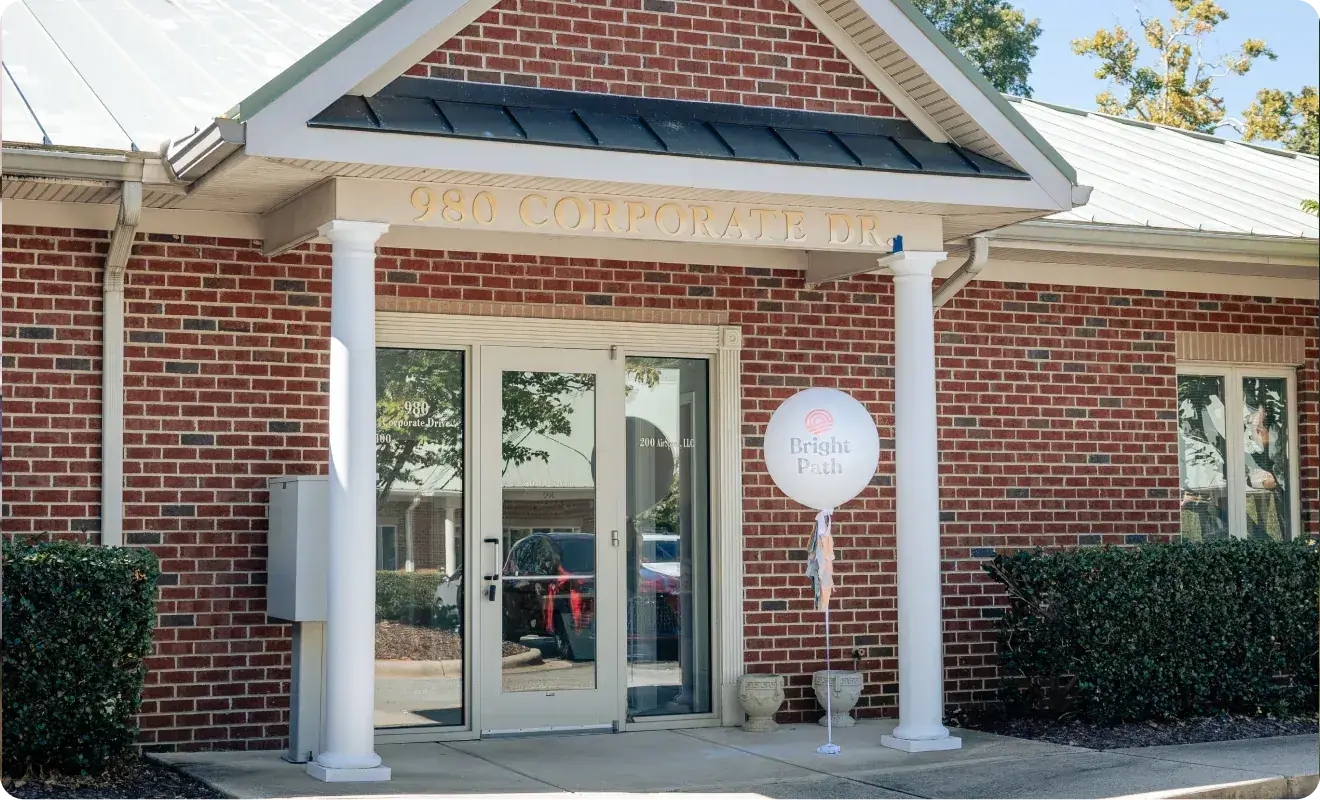
Our admission process offers multiple opportunities for teens to begin care, helping families access support without long delays. Our facilities are located in Wake Forest at 203 Capcom Ave, Suite 104, and in Hillsborough, with virtual telehealth options available for families throughout North Carolina.

Anxiety disorders affect approximately 31.9% of adolescents ages 13-18 according to the National Institute of Mental Health. North Carolina reports 128,000 adolescents aged 12-17 have depression with anxiety frequently co-occurring, yet 53.2% of these teens didn't receive any mental health care in the last year. Untreated adolescent anxiety increases risk for depression, substance use struggles, and academic challenges. These statistics show the critical treatment gap facing North Carolina teens who are experiencing anxiety and need professional support.

  • Evidence-based anxiety treatment that actually works
  • Exposure therapy integration that respects your teen's pace
  • Weekly psychiatric provider meetings (not just med checks)
  • Collaborative approach to anxiety management
  • Developmentally appropriate tracks (12-15 and 15-18)
  • Weekly family therapy for PHP families
  • Anxiety-focused DBT skills that teens can actually use
  • School coordination that reduces academic stress
  • CARF accreditation you can trust
  • NC state-licensed facilities
  • Three ways to access care (Wake Forest, Hillsborough, Virtual)

    About Anxiety in Teens

    When anxiety takes over your teen’s life, it can feel like everything is urgent, overwhelming and out of control. You need more than reassurance - you need a team that will walk alongside you.
    Bright Path helps teens recognize that they just need support, skills and a space where their experience makes sense.
    According to the National Institute of Mental Health, 31.9% of adolescents age 13-18 experience an anxiety disorder. Anxiety doesn’t have to control your teens future. 

    What you might see your teen doing

    Avoiding social situations

    • Refusing to participate in social situations
    • Struggling to fall asleep
    • Asking you to stay with them
    • Pacing, fidgeting or nail-biting
    • Repeated shutdowns before school
    • Refusal to get out of the car at events
    • Asking to come home from school early
    Tab content image

    How Does Each Program Address My Teen’s Anxiety?

    Here are the different types of teen anxiety treatment programs Bright Path offers:

    Programs

    Partial Hospitalization Program (PHP)

    Description

    Bright Path's Partial Hospitalization Program is designed for teens whose anxiety has moved beyond what weekly therapy can hold. If your teen is experiencing panic attacks, severe avoidance, school refusal, or anxiety that's significantly disrupting their ability to function day-to-day — PHP is built for exactly that level of need. It's more structured than outpatient therapy, but far less disruptive than hospitalization. Teens go home at the end of the day. They stay connected to their family. The intensity is clinical. The experience doesn't have to feel like it.

    The program runs Monday through Friday from 9:00 AM to 3:00 PM, serving adolescents ages 12–18. Teens are grouped by developmental stage rather than chronological age alone — Summit Path for teens ages 15–18 navigating the anxiety that shows up alongside high school pressures, identity, and independence, and Meadow Path for teens ages 12–15 where anxiety is often showing up earlier and in the context of middle school social and emotional development.

    Most teens complete PHP in about five weeks.


    What to Expect

    Group therapy offers your teen daily sessions that focus on emotion regulation, distress tolerance, interpersonal effectiveness, and mindfulness for managing anxiety. Groups also encourage teens to explore thinking patterns that fuel their anxiety. Creative expression groups allow for teens to externalize their anxiety and support non-verbal processing. 

    Teens will meet with their therapist weekly to assess environmental stressors, challenging thinking patterns, explore managing physical symptoms of anxiety and work towards reducing avoidant behaviors. 

    Weekly family therapy supports caregivers and teens working together to identify supportive reinforcements for behaviors, work towards strengthening communication and providing caregivers with tools to coach their teen through difficult moments. 

    Teens meet with their psychiatric provider each week regardless of medication status, to explore feelings of worry or nervousness. Psychiatric meetings also include conversations about the connection your teen’s sleep and nutrition have on their overall mood.

    Teens with school related anxiety often struggle with avoidance leading to frequent absences and trouble completing tasks. While in PHP, teens and their families work closely with the education liaisons so that they do not have to carry the weight of school alone.  Daily classroom time ensures that teens do not fall behind while prioritizing their mental health.  Re-entry meetings facilitated by the Education Liaisons ensure that teens feel supported after treatment, creating a clear support plan with their schools.

    Advantages of Working with Bright Path for Teen Anxiety Treatment in North Carolina

    Here are the advantages of working WITH Bright Path for teen anxiety treatment in North Carolina:

    Icon

    Building DBT Skills for Anxiety

    At the core of Bright Path's approach is Dialectical Behavior Therapy — adapted specifically for adolescents and for the way anxiety actually shows up in their lives alongside everything else they're navigating.

    DBT gives teens real, practical tools for tolerating distress, managing difficult emotions, and breaking the avoidance cycles that tend to keep anxiety in charge.

    It's not just about symptom management — it's about building a toolkit that keeps working long after treatment ends.

    Slider image
    Icon

    Developmentally Appropriate Paths

    At Bright Path, teens are grouped by developmental stage rather than chronological age alone — because a 13-year-old navigating separation anxiety and social fears is in a genuinely different place than a 17-year-old managing performance anxiety and the pressure of what comes after high school.

    Meadow Path serves teens ages 12–15, meeting them in the middle school experience where anxiety often first takes root. Summit Path serves teens ages 15–18, addressing the more complex social, academic, and identity-related pressures that come with high school.

    Track placement is always a clinical decision — and for teens right on the edge, developmental maturity matters more than a birthday.

    Slider image
    Icon

    Rolling Admissions

    When a teen is struggling, waiting weeks for a program to have enough people to start isn't an option. Bright Path admits new teens on a rolling basis — with admission days on Mondays, Tuesdays, and Thursdays and multiple time slots available each day.

    When your family is ready, we're ready. No waiting for the next cohort. No arbitrary start dates. Just the right care, as soon as clinically possible.

    Slider image
    Icon

    Comprehensive School Coordination

    For many teens with anxiety, the fear of falling behind at school is just as overwhelming as whatever brought them to treatment in the first place. Our Education Liaisons handle school coordination from day one — establishing homebound status so absences don't count against your teen, managing assignment communication directly with teachers, and making sure the academic pile-up doesn't become another source of anxiety while your teen is doing the hard work of getting better.

    Daily classroom time is built into the PHP schedule, keeping teens connected to their schoolwork in a supported, low-pressure environment. And when it's time to return, we don't just send them back and hope for the best. Pre-discharge school re-entry meetings bring together your teen, school personnel, and our team to make sure that transition is planned, supported, and set up to succeed — including a conversation about accommodations when clinically appropriate.

    Slider image
    Icon

    Weekly Psychiatric Provider Sessions for All Teens Regardless of Medication Status

    Every PHP teen meets weekly with our psychiatric provider — not just when there's a medication question, but because anxiety lives in the body just as much as the mind. Sleep disruption, nutrition, physical symptoms like panic attacks — these are all part of the picture, and they all get attention.

    Whether your teen is on medication or not, these sessions are about understanding the full physiological experience of anxiety and giving teens and families the knowledge to work with it, not just around it.

    Slider image
    Icon

    Integrated Family Support - Anxiety doesn't just affect the teen

    It reshapes the whole family. PHP families receive weekly family therapy focused on the communication patterns, accommodation behaviors, and dynamics that anxiety tends to create at home.

    Weekly caregiver check-ins give parents practical coaching on how to support their teen's skill development without inadvertently feeding the anxiety. Because what happens at home between sessions matters just as much as what happens in the room.

    Slider image
    Icon

    Person-Centered Therapy

    Every teen meets weekly with their primary therapist for individual therapy — the same person, every time, for the full duration of treatment. Sessions are structured around how each teen engages best, because anxiety doesn't look the same in every teenager and neither should the therapy.

    Some teens do best talking. Others need to move, create, or work through things more indirectly. We follow their lead.

    Slider image
    Icon

    Integrated Admission Day Assessment

    From day one, your teen's entire care team is in the room together. Our integrated admission process brings the teen, caregiver, primary therapist, and psychiatric provider together for a single assessment — so your teen tells their story once, not five times to five different people.

    For a teen with anxiety, that matters. No repetitive intake forms with strangers. No starting over every time you meet someone new. Everyone who needs to know, knows — from the very beginning.

    Slider image
    Icon

    Expressive Arts Therapy

    Not everything worth processing can be put into words — and for teens with anxiety, high-stress moments can make verbal processing feel impossible. That's why creative and experiential therapies are woven throughout our programming, not tacked on as extras.

    Music, horticulture, art — these aren't distractions from clinical work. They're often where the most authentic engagement happens, especially for teens whose anxiety makes traditional talk therapy feel like one more thing to perform.

    Slider image

    From First Call to First Day

    1. 1

      Contact Us

      telephone-icon
    2. 2

      Trailhead Check-In

      home-step-icon
    3. 3

      Clinical Review

      step3-home-icon
    4. 4

      First Day of Care

      step4-home-icon

    Parent to Parent: Emotions, Challenges, and Hope in Treatment

    Our Team

    Bright Path’s teams includes licensed therapists, psychiatry providers, educators, and other professionals who are both skilled and passionate about adolescent mental health

    Shantel Sullivan

    Shantel Sullivan - Chief Executive Officer

    Dr. Sullivan brings extensive experience to her role as Bright Path’s Chief Executive Officer. She has been a clinical leader in residential adolescent treatment, adult outpatient services, and academia. With more than a decade of experience as a licensed social worker in New York and North Carolina, Dr. Sullivan has collaborated broadly with individuals, families, and the community. Dr. Sullivan earned a Bachelor of Arts in sociology from the State University of New York at Potsdam in 2006, a Master’s Degree in Social Work (MSW), and a graduate certificate in addictions counseling in 2008 from the University of New England. She went on to complete a doctoral degree in Educational Leadership with a concentration in transformational leadership also from the University of New England in Portland, Maine in 2017. She served as a faculty member for the State of New York Office of Alcoholism and Substance Abuse Services Bureau of Workforce Development where she provided regional education on adolescent co-occurring disorders. She moved to North Carolina in 2016 to work in academia as an assistant professor of social work at Western Carolina University. In 2020, she moved to Raleigh to be closer to family and became an adjunct professor at North Carolina State University School of Social Work, where she still teaches part-time. She is a seasoned national speaker, social worker instructor, clinical field instructor, and member of the National Association of Social Workers. In addition to Dr. Sullivan's clinical work, she edits all of the content on the Bright Path Teen Mental Health Blog to ensure accuracy and accessibility to all of our readers. Dr. Sullivan is committed to increasing access to evidence-based, compassionate, mental health care for adolescents. She further understands the challenges ALL members of a family experience when their loved one is suffering.

    Jennifer Hoffman

    Jennifer Hoffman - Psychiatric Nurse Practitioner

    Jennifer is a licensed and nationally board-certified psychiatric mental health nurse practitioner who provides psychiatric care including assessment, diagnoses, medication management, and therapeutic treatment for teens admitted to PHP programming. She is a graduate of Duke University with a Master of Science in Nursing, with 13 years of experience in health care including but not limited to pediatric inpatient psychiatry and perinatal care. Jennifer believes in patient and family-centered health care, collaboration, and integrative care. She is passionate about spreading access to quality mental health care and responding to mental health crises with effective treatment, empathy, and support. In her free time, Jennifer enjoys crafting with her children. She also loves to create a comfortable and relaxing space in her office at Bright Path!


    Abigail Krieck

    Abigail Krieck - Director of Strategic Impact and Outreach

    Dedicated to the cause of mental health and well-being, Abigail is a compassionate Clinical Outreach Specialist at Bright Path Behavioral Health. She plays a pivotal role in bringing support, hope, and healing to individuals and communities in need.

    With 10 years of experience in mental health, Abigail is an advocate for those who may otherwise go unnoticed. Her work as a Clinical Outreach Specialist revolves around ensuring that no one is left behind, that everyone has access to the resources and care they deserve.

    At Bright Path Behavioral Health, Abigail plays a central role in connecting individuals to the vital services they require when stepping down from programming. She specializes in community engagement, and is known for resource coordination that bridges the gap between need and assistance.

    Abigail is committed to fostering partnerships and collaboration within the community. She actively engages in other mental health providers and programs, schools, youth groups, government agencies, and extracurricular programs, working tirelessly to expand access to mental health support.

    Abigail holds her role at Bright Path Behavioral Health with distinction, ensuring that the program’s mission of making quality mental health treatment accessible is realized every day. She is instrumental in breaking down the barriers and stigma associated with mental health, making it easier for individuals to seek help when they need it.

    Outside of her role at Bright Path, Abigail enjoys hiking with her dogs, cooking, baking, and raising carnivorous plants, which provide a well-deserved break and contribute to her own mental well-being.

    Abigail is driven by the belief that everyone should have the opportunity to lead a mentally healthy life. As a Clinical Outreach Specialist, she embodies this principle and works tirelessly to ensure that help is just a call or conversation away.

    Jalecia Beatty

    Jalecia Beatty - Regional Clinical Director

    Jalecia is a licensed clinical mental health counselor associate (LCMHC) and serves as the Clinical Director. She started at Bright Path as a graduate student intern and is an instrumental part of the program’s growth and development.

    Jalecia attended East Carolina University for undergraduate and graduate studies; and has a Bachelor of Science in Nutrition with a concentration in science, and a master’s in clinical counseling in mental health and substance abuse.

    She is passionate about expanding access to intensive and quality mental health care for adolescents. As someone who has navigated their own journey towards healing and self-acceptance, she personally knows how important it is to have a safe space during your healing journey and how limited the options are for teens. It’s her goal, as one of the psychotherapists and as the PHP program manager, to provide that for teens who are struggling as well as work towards increasing the resources that are available.

    In her free time, she loves traveling and spending time watching Supernatural with her dogs!

    Ari D’Alessandro

    Ari D’Alessandro - Teen Care Advocate

    Ari graduated from NC State in 2024 with a B.A. in psychology and minors in philosophy, cognitive science, and dance. She spent two years working as a research assistant with a focus on ethics of transcranial magnetic stimulation (TMS) and serves as an editorial intern for the American Journal of Bioethics Neuroscience. She has also volunteered as a crisis counselor with Crisis Text line since 2021, which sparked her interest in crisis intervention and providing empathetic mental health care to those in need.

    Ari is enthusiastic about providing empowering mental health care to teens and young adults, particularly through teaching dialectical behavior therapy (DBT) skills, and is interested in the application of creative therapies, such as dance movement therapy (DMT). She hopes to pursue a Ph.D. in clinical psychology with an interdisciplinary research focus on personality disorders and the development of novel personality assessments at the intersection of psychology and philosophy. In her free time, Ari enjoys writing, dancing, and spending time with friends.

     Michele Jones

    Michele Jones - Education Liaison

    Michele is a native of Fayetteville N. C. Ms. She attended and graduated from Hampton University with a bachelor’s in social work (BSW). Working in various positions before settling in New York to work for a Non-Profit Foster Care Agency as a Social Worker, where she learned of her love for working with adolescents and their families. Ms. Jones then decided to further her education to learn how to effectively help individuals and families deal with the many struggles they faced and went on to earn a master’s degree in social work (MSW) from Hunter College School of Social Work.

    Upon moving back to North Carolina and continuing to work with young people as a North Carolina Board Certified Special Education Master Teacher. Ms. Jones taught in North Carolina Public Schools for 18 years as a Special Education Teacher for students with various Learning Disabilities at the Elementary and High School level.

    She believes students must be healthy to be educated and educated to be healthy. She uses a collaborative approach and various treatment modalities that have helped strengthen family units, also identifying and treating the core of any diagnosis or issue is essential when working with individuals.

    In her spare time, Ms. Jones enjoys spending time with her family and friends, traveling, and enjoying her happy place, the North Carolina Beaches.

    North Carolina Teen Mental Health Treatment Center Reviews

    Choosing a teen mental health treatment center in North Carolina means selecting a facility trusted by adolescents experiencing overwhelming anxiety, families navigating panic episodes and avoidance patterns, schools supporting students experiencing anxiety disorders, and referring clinicians seeking evidence-based anxiety intervention partners.

    review-avatar

    Scout O’Brien

    This place is awesome!!!! From my experience as a patient here, all the staff are really kind and patient and have helped me through my crisis and my therapy journey. They also have snacks!!! I highly recommend this place for anyone who needs it. :D

    Posted on

    Google

    10 months ago
    avatar-icon

    Ben Pfotenhauer

    Bright Path Behavioral Health offers exceptional anxiety treatment for teens in Wake Forest. Their tailored treatment plans and compassionate staff helped my teen manage their anxiety effectively. Highly recommend their comprehensive approach to anxiety treatment!

    Posted on

    Google

    11 months ago
    avatar-icon

    John Doe

    Ride The Wave!
    - Tony

    Posted on

    Google

    a year ago
    avatar-icon

    CROAXER

    Changed my life forever. Put me on a Brightpath :)

    Posted on

    Google

    a year ago
    avatar-icon

    Lesley Ireland

    I don’t typically leave reviews but I do not want any other child or family to struggle when there is an amazing resource like Bright Path in our community. My daughter is still a patient in the PHP and has also been in the IOP. I can’t say enough wonderful things about the program, the staff and most importantly, the significant improvement in my daughter’s symptoms. It is not an exaggeration when I say she is a different person and for the better. She was suffering with symptoms she didn’t understand and the team at Bright Path has given her the tools to continue her mental health self care throughout her life. I wish every teen had this opportunity. I can’t thank BP enough and I wish I could give a million stars rather than 5!

    Posted on

    Google

    a year ago
    review-avatar

    K Farnsworth

    My child went through the PHP program and it was a major turning point in their recovery. It was Bright Path or residential, and having that option for PHP at a place that felt safe with practitioners who truly care was a godsend. I can’t say enough good things about how my child did. The bonus was that my child also liked going! They made some true friends there.

    Posted on

    Google

    a year ago
    review-avatar

    Tiffany Munro

    I can't say enough good things about Bright Path. They are so different than other PHPs in the Raleigh area. The staff genuinely cares about the clients and their families. From intake to graduation from the program we felt care and professionalism every step of the way. Positive attitudes, willingness to look deeper into issues, communication is excellent, and always willing to listen to find solutions or just be the support we needed. I wish they could train other PHPs in the state, because they are doing it the right way.

    Posted on

    Google

    a year ago

    North Carolina Teen Anxiety Treatment FAQ

    Teen anxiety develops through multiple interacting factors, including genetic predisposition, brain chemistry differences, and environmental stressors. Life transitions, academic pressures, social media exposure, and traumatic experiences trigger or worsen anxiety symptoms.

    Teen anxiety diagnosis occurs through a comprehensive clinical assessment, including structured interviews and symptom questionnaires. Mental health professionals assess anxiety symptom frequency, intensity, duration, and impact across multiple areas of life, including school, family, and peer relationships.

    Deciding when your teen needs more support is not an easy choice to make. Bright Path walks alongside you to determine if they are in need of more support. Some signs that your teen may need more support: when worry becomes excessive and uncontrollable, interferes with daily tasks across school, family, and peer groups. Your teen may also report experiencing physical symptoms, including rapid heartbeat, sweating, trembling, nausea, and shortness of breath occurring without a medical cause. This is likely a sign that your teen's anxiety is still present. Additionally, you may observe your teen engaging in school refusal, social withdrawal, sleep disturbances, and avoidance of previously enjoyed activities.

    Bright Path's psychiatric providers evaluate anxiety management needs weekly, addressing approaches' effectiveness, side effect management, and collaborative adjustments. They will explore a variety of options that will be best in addressing the symptoms while also supporting you in making an informed decision. Your teen's provider will also explore non-medication alternatives to address their symptoms.

    Bright Path uses family therapy and parent check-ins to support caregivers in coaching during moments of high anxiety. Caregivers are encouraged to model and normalize the use of coping skills during moments of heightened worry and stress. Caregivers can support their teen in participating in breathing skills, grounding skills, or using their supports.

    Comprehensive aftercare planning occurs during the final treatment weeks using a social prescribing approach, addressing what matters to your teen beyond anxiety elimination.

    Our clinical team provides traditional referrals connecting teens with outpatient therapists specializing in adolescent anxiety for ongoing weekly therapy. Psychiatric provider referrals ensure anxiety management continuity when clinically appropriate, with clear protocols for continuation or adjustments. Social prescriptions include community engagement activities like music clubs, art groups, and Boys and Girls Club participation, supporting ongoing anxiety skill application in previously feared social situations. Our education department conducts pre-discharge school re-entry meetings, coordinating with school personnel about accommodation continuation and panic protocol implementation.

    Anxiety symptoms can return during stressful life transitions, requiring booster sessions or treatment resumption at lower intensity levels. Teens who complete anxiety treatment possess skills for independent symptom management, recognizing early warning signs, and implementing coping strategies. Many teens experience periodic anxiety symptom increases throughout life, requiring brief outpatient support rather than intensive treatment readmission when skills are maintained.

    Teen Mental Health Insurance Providers We Work With in North Carolina

    Bright Path accepts major insurance providers for adolescent anxiety treatment throughout North Carolina.

    Take a Tour of Our Teen Mental Health Facilities in North Carolina

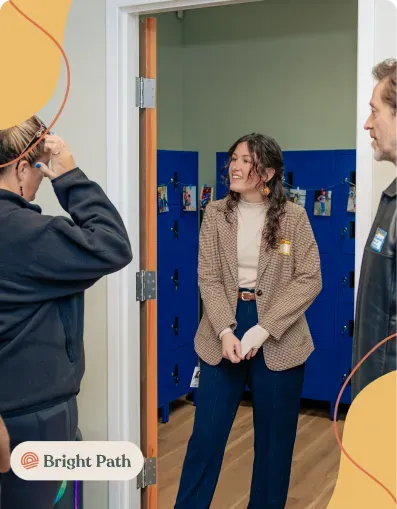
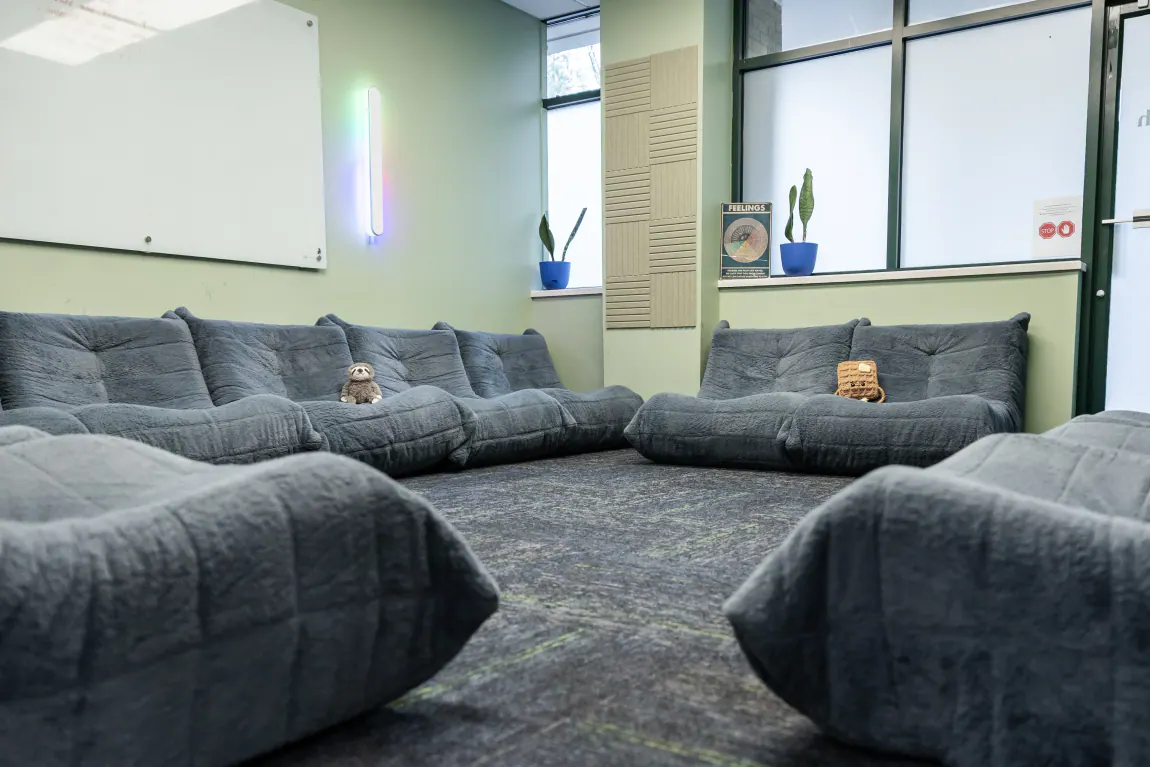
    Bright Path facilities provide developmentally appropriate therapeutic environments supporting adolescent anxiety treatment WITH calming design elements. Group therapy rooms accommodate age-separated programming WITH Summit and Meadow tracks maintaining distinct spaces, reducing anxiety about age-inappropriate peer interactions. Our facilities create comfortable non-clinical atmospheres reducing institutional feelings common in hospital-based programs that increase teen anxiety about treatment participation.

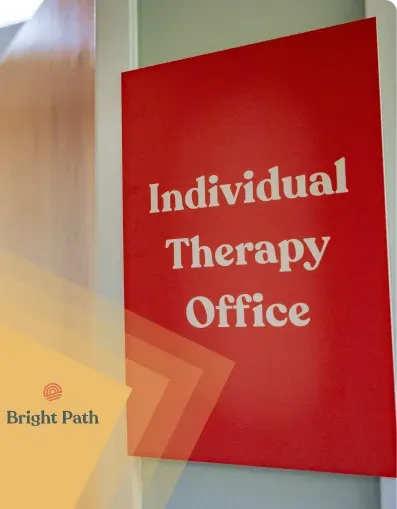
    Individual therapy offices provide private confidential space for weekly counseling sessions WITH primary therapists addressing anxiety-specific concerns. The structured 60-minute weekly therapy time adapts to teen preferences WITH options for single sessions, two 30-minute sessions, or 15-minute daily meetings accommodating anxiety affecting attention and session tolerance. This flexibility supports varied adolescent communication styles and attention capacities affected by anxiety symptom severity.

    Classroom spaces support daily one-hour educational programming for PHP students on homebound status managing school-related anxiety. Education liaisons coordinate WITH schools ensuring assignment completion and academic continuity, preventing achievement anxiety escalation. The educational spaces balance therapeutic environment WITH academic functionality, supporting learning during anxiety treatment without overwhelming academic pressure.

    Common areas provide spaces for teen chosen rewards supporting positive peer culture. Popular rewards include special lunches and activities during lunch periods, providing anxiety-free social experiences. The behavioral system supports positive peer culture and treatment engagement through concrete incentives adolescents value, reducing anxiety about treatment participation through reward motivation.

    Clear backpack and clear water bottle policies reflect facility commitment to safety and supervision without triggering control-related anxiety. The transparent materials policy allows appropriate staff oversight while respecting teen autonomy and dignity important for teens experiencing anxiety who fear authoritarian environments. Safety policies balance supervision necessity WITH teen-centered treatment philosophy, maintaining respect throughout programming reducing anxiety about excessive monitoring.

    Gallery image 1

    We Work With Teens Navigating...

    Bright Path provides comprehensive teen mental health treatment addressing various conditions affecting adolescent wellbeing and functioning:

    Bright Path color sample featuring primary brand colors

    Depression

    Learn more
    Bright Path color palette sample with gradient swatches

    Anxiety

    Learn more
    Bright Path Group logo with modern design elements

    Self-Harm

    Learn more
    Bright Path group component featuring organized UI elements

    Suicidal Ideation

    Learn more
    img

    Co-occurring Disorders with Primary Mental Health Presenting Symptoms

    Learn more

    Licenses, Accreditations and Awards