Teen Mental Health Treatment In Wake Forest, NC

Teen mental health treatment in Wake Forest, NC, offers evidence-based care for teens ages 12-18 who are experiencing depression, anxiety, trauma, and emotional struggles. Bright Path creates specialized programming developed by licensed clinicians with deep expertise in what works for teens. Our approach emphasizes working WITH teens, not on them, building genuine partnerships where teens actively shape their recovery journey.

CARF accreditation from the Commission on Accreditation of Rehabilitation Facilities validates our quality standards. State licensing from the North Carolina Department of Health and Human Services authorizes partial hospitalization and day activity service provision. Licensed operations span our Wake Forest and Hillsborough treatment facilities.

Four specialized treatment tracks deliver developmentally appropriate support aligned with where teens actually are. Summit Path programming addresses high school concerns for teens ages 15-18. Meadow Path focuses on middle school social-emotional development for younger teens ages 12-15. Virtual Path establishes foundational DBT skills for teens new to intensive treatment. Horizon Path supports teens stepping down from higher levels of care.

Dialectical Behavior Therapy provides our core therapeutic approach, teaching real-world emotional regulation and distress tolerance skills. Attachment-focused work develops healthier relationship patterns and connection. Psychiatric providers meet weekly with all teens regardless of medication involvement.

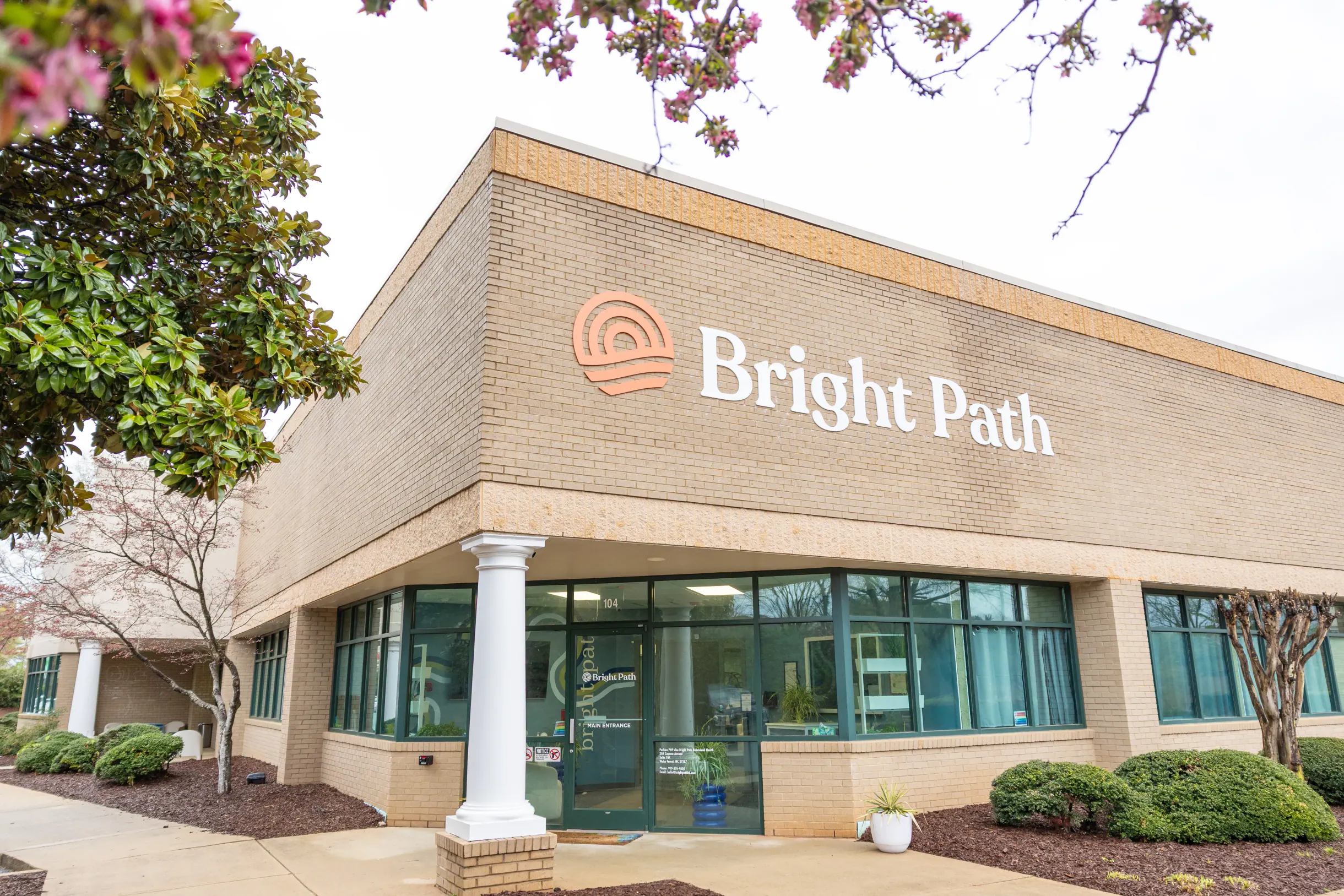
The Wake Forest treatment center serves Raleigh, Durham, Cary, Chapel Hill, Apex, Holly Springs, Garner, Clayton, Knightdale, and Wake County communities.

Wake County youth ages 5-18 generate 4% of Emergency Department visits for mental health conditions, including suicidal thoughts, depression, and anxiety. Thirty-nine percent of North Carolina high school students reported feeling sad or hopeless in 2023, with 18% seriously considering suicide. Depression affects 128,000 North Carolina teens ages 12-17, yet only 46.8% received mental health services. Wake County mental health ED visits peaked in 2022, demonstrating critical treatment gaps requiring expanded teen mental health access throughout Raleigh and surrounding communities.

  • DBT-based treatment with proven outcomes
  • Comprehensive psychiatric support for all teens
  • Multiple weekly admission opportunities
  • Age-appropriate peer grouping based on developmental stage
  • Developmentally matched programming (ages 12-15 and 15-18)
  • Family involvement through weekly PHP therapy sessions
  • Academic continuity through school homebound coordination
  • Creative expression opportunities through music therapy
  • Nature-based therapeutic interventions through horticulture therapy
  • CARF-accredited quality programming
  • North Carolina state-licensed facility operations
  • Convenient Wake County location serving Research Triangle families

    Wake Forest

    Street Address

    203 Capcom Ave, Suite 104, Wake Forest, NC 27587

    Main Phone

    919-578-5517

    Monday–Friday

    9:00 AM – 5:00 PM

    Programs Offered at Bright Path - Wake Forest

    The different types of teen mental health treatment programs Bright Path offers in Wake Forest are covered below:

    Programs

    Partial Hospitalization Program (PHP)

    • Meadow Path: 12-15 years old
    • Summit Path: 15-18 years old

    Description

    Partial Hospitalization Program (PHP) Our most intensive level of outpatient care, running Monday through Friday from 9:00 AM to 3:00 PM. Teens are grouped by developmental stage — Meadow Path for ages 12–15 and Summit Path for ages 15–18 — so every conversation, every group, and every intervention is built for where they actually are in life. A full clinical team, built-in school coordination, and a space that feels nothing like a hospital.

    What to Expect

    DBT curriculum cycles teach emotional regulation, distress tolerance, interpersonal effectiveness, and mindfulness skills.

    Individual therapy with assigned primary therapists focuses on personal skill application. Session formats can be adjusted to accommodate teen preferences and engagement needs.

    Psychiatric consultations address medication considerations, sleep patterns, nutritional wellness, and the effects of physiological symptoms. Creative expression activities are integrated throughout the program.

    Structured music therapy facilitates creative emotional expression. Nature-based horticulture therapy supports mental health recovery through plant care activities.

    Family sessions address household communication patterns, interaction guidelines, crisis protocols, and participation barriers. Education staff coordinate academic support when needed.

    Regular classroom participation helps sustain academic progress during treatment. Clinical staff supervision throughout programming ensures individualized attention within developmentally appropriate peer settings.

    Typical treatment ranges between 6–8 weeks depending on clinical need.

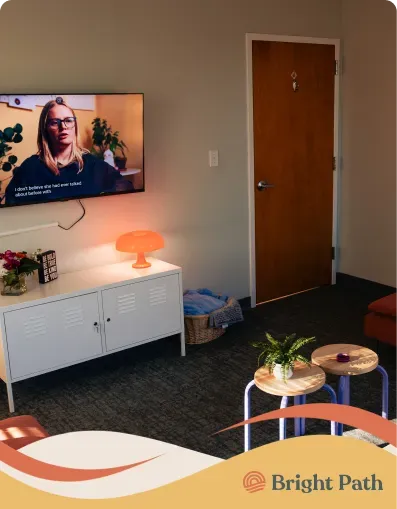
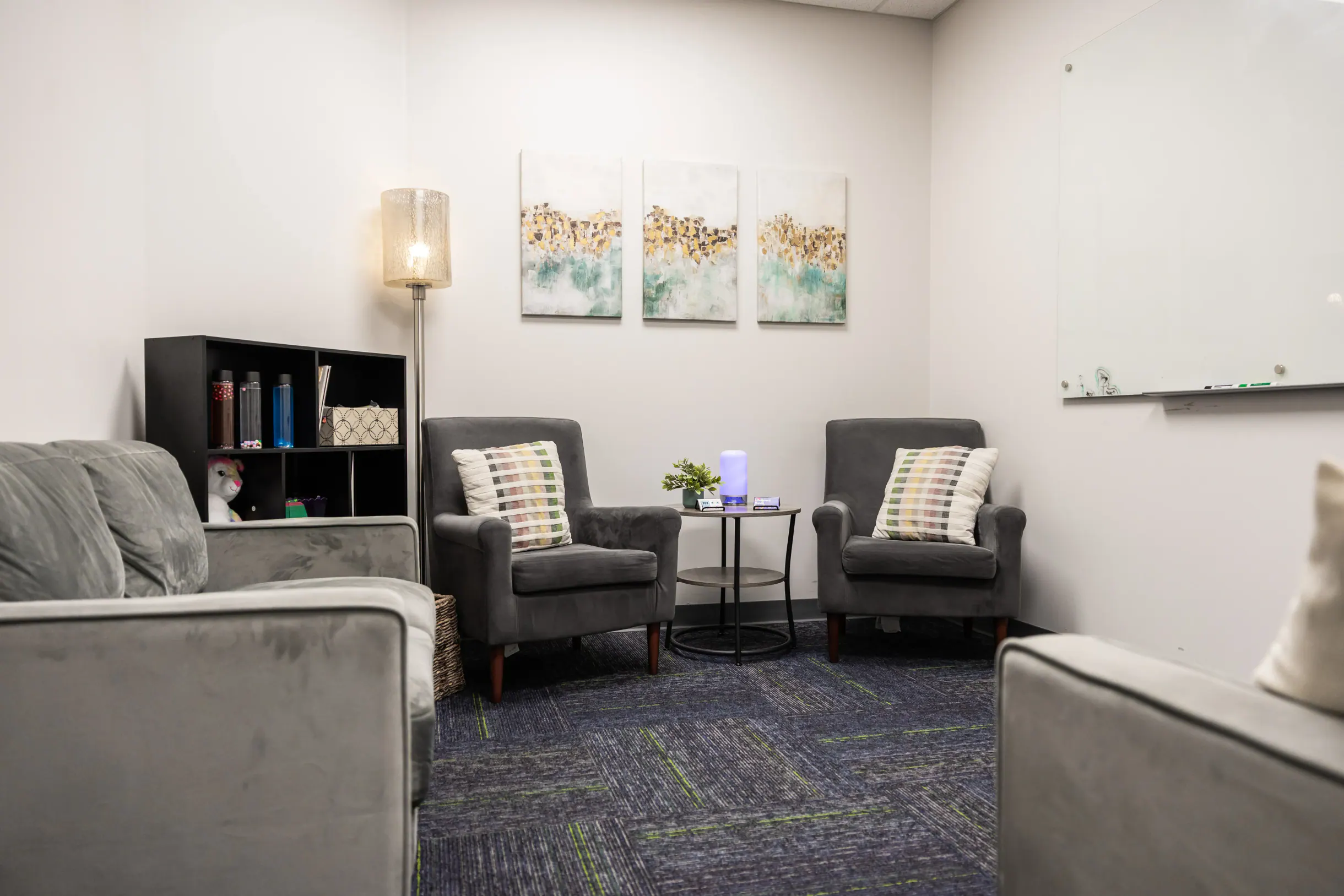
    Take a Look Inside Bright Path - Wake Forest

    real-estate-image

    From First Call to First Day

    1. 1

      Contact Us

      telephone-icon
    2. 2

      Trailhead Check-In

      home-step-icon
    3. 3

      Clinical Review

      step3-home-icon
    4. 4

      First Day of Care

      step4-home-icon

    Bright Path is Led by a Team Who is Both Skilled And Deeply Human

    Bright Path’s teams includes licensed therapists, psychiatry providers, educators, and other professionals who are both skilled and passionate about adolescent mental health

    Shantel Sullivan

    Shantel Sullivan - Chief Executive Officer

    Dr. Sullivan brings extensive experience to her role as Bright Path’s Chief Executive Officer. She has been a clinical leader in residential adolescent treatment, adult outpatient services, and academia. With more than a decade of experience as a licensed social worker in New York and North Carolina, Dr. Sullivan has collaborated broadly with individuals, families, and the community. Dr. Sullivan earned a Bachelor of Arts in sociology from the State University of New York at Potsdam in 2006, a Master’s Degree in Social Work (MSW), and a graduate certificate in addictions counseling in 2008 from the University of New England. She went on to complete a doctoral degree in Educational Leadership with a concentration in transformational leadership also from the University of New England in Portland, Maine in 2017. She served as a faculty member for the State of New York Office of Alcoholism and Substance Abuse Services Bureau of Workforce Development where she provided regional education on adolescent co-occurring disorders. She moved to North Carolina in 2016 to work in academia as an assistant professor of social work at Western Carolina University. In 2020, she moved to Raleigh to be closer to family and became an adjunct professor at North Carolina State University School of Social Work, where she still teaches part-time. She is a seasoned national speaker, social worker instructor, clinical field instructor, and member of the National Association of Social Workers. In addition to Dr. Sullivan's clinical work, she edits all of the content on the Bright Path Teen Mental Health Blog to ensure accuracy and accessibility to all of our readers. Dr. Sullivan is committed to increasing access to evidence-based, compassionate, mental health care for adolescents. She further understands the challenges ALL members of a family experience when their loved one is suffering.

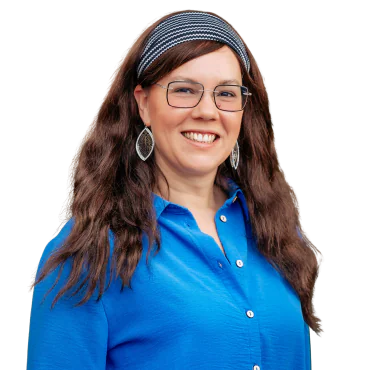
    Jennifer Hoffman

    Jennifer Hoffman - Psychiatric Nurse Practitioner

    Jennifer is a licensed and nationally board-certified psychiatric mental health nurse practitioner who provides psychiatric care including assessment, diagnoses, medication management, and therapeutic treatment for teens admitted to PHP programming. She is a graduate of Duke University with a Master of Science in Nursing, with 13 years of experience in health care including but not limited to pediatric inpatient psychiatry and perinatal care. Jennifer believes in patient and family-centered health care, collaboration, and integrative care. She is passionate about spreading access to quality mental health care and responding to mental health crises with effective treatment, empathy, and support. In her free time, Jennifer enjoys crafting with her children. She also loves to create a comfortable and relaxing space in her office at Bright Path!


    Abigail Krieck

    Abigail Krieck - Director of Strategic Impact and Outreach

    Dedicated to the cause of mental health and well-being, Abigail is a compassionate Clinical Outreach Specialist at Bright Path Behavioral Health. She plays a pivotal role in bringing support, hope, and healing to individuals and communities in need.

    With 10 years of experience in mental health, Abigail is an advocate for those who may otherwise go unnoticed. Her work as a Clinical Outreach Specialist revolves around ensuring that no one is left behind, that everyone has access to the resources and care they deserve.

    At Bright Path Behavioral Health, Abigail plays a central role in connecting individuals to the vital services they require when stepping down from programming. She specializes in community engagement, and is known for resource coordination that bridges the gap between need and assistance.

    Abigail is committed to fostering partnerships and collaboration within the community. She actively engages in other mental health providers and programs, schools, youth groups, government agencies, and extracurricular programs, working tirelessly to expand access to mental health support.

    Abigail holds her role at Bright Path Behavioral Health with distinction, ensuring that the program’s mission of making quality mental health treatment accessible is realized every day. She is instrumental in breaking down the barriers and stigma associated with mental health, making it easier for individuals to seek help when they need it.

    Outside of her role at Bright Path, Abigail enjoys hiking with her dogs, cooking, baking, and raising carnivorous plants, which provide a well-deserved break and contribute to her own mental well-being.

    Abigail is driven by the belief that everyone should have the opportunity to lead a mentally healthy life. As a Clinical Outreach Specialist, she embodies this principle and works tirelessly to ensure that help is just a call or conversation away.

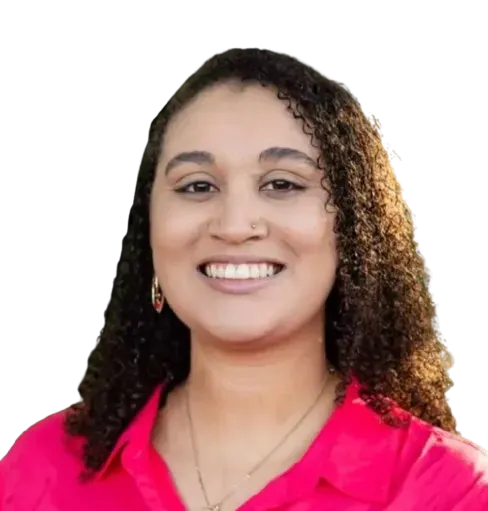
    Jalecia Beatty

    Jalecia Beatty - Regional Clinical Director

    Jalecia is a licensed clinical mental health counselor associate (LCMHC) and serves as the Clinical Director. She started at Bright Path as a graduate student intern and is an instrumental part of the program’s growth and development.

    Jalecia attended East Carolina University for undergraduate and graduate studies; and has a Bachelor of Science in Nutrition with a concentration in science, and a master’s in clinical counseling in mental health and substance abuse.

    She is passionate about expanding access to intensive and quality mental health care for adolescents. As someone who has navigated their own journey towards healing and self-acceptance, she personally knows how important it is to have a safe space during your healing journey and how limited the options are for teens. It’s her goal, as one of the psychotherapists and as the PHP program manager, to provide that for teens who are struggling as well as work towards increasing the resources that are available.

    In her free time, she loves traveling and spending time watching Supernatural with her dogs!

    Ari D’Alessandro

    Ari D’Alessandro - Teen Care Advocate

    Ari graduated from NC State in 2024 with a B.A. in psychology and minors in philosophy, cognitive science, and dance. She spent two years working as a research assistant with a focus on ethics of transcranial magnetic stimulation (TMS) and serves as an editorial intern for the American Journal of Bioethics Neuroscience. She has also volunteered as a crisis counselor with Crisis Text line since 2021, which sparked her interest in crisis intervention and providing empathetic mental health care to those in need.

    Ari is enthusiastic about providing empowering mental health care to teens and young adults, particularly through teaching dialectical behavior therapy (DBT) skills, and is interested in the application of creative therapies, such as dance movement therapy (DMT). She hopes to pursue a Ph.D. in clinical psychology with an interdisciplinary research focus on personality disorders and the development of novel personality assessments at the intersection of psychology and philosophy. In her free time, Ari enjoys writing, dancing, and spending time with friends.

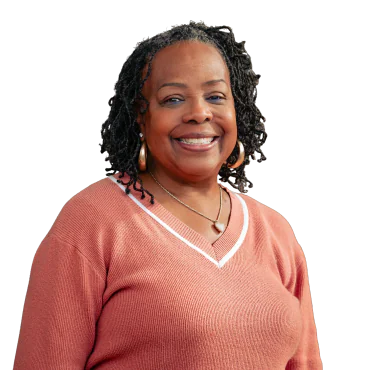
     Michele Jones

    Michele Jones - Education Liaison

    Michele is a native of Fayetteville N. C. Ms. She attended and graduated from Hampton University with a bachelor’s in social work (BSW). Working in various positions before settling in New York to work for a Non-Profit Foster Care Agency as a Social Worker, where she learned of her love for working with adolescents and their families. Ms. Jones then decided to further her education to learn how to effectively help individuals and families deal with the many struggles they faced and went on to earn a master’s degree in social work (MSW) from Hunter College School of Social Work.

    Upon moving back to North Carolina and continuing to work with young people as a North Carolina Board Certified Special Education Master Teacher. Ms. Jones taught in North Carolina Public Schools for 18 years as a Special Education Teacher for students with various Learning Disabilities at the Elementary and High School level.

    She believes students must be healthy to be educated and educated to be healthy. She uses a collaborative approach and various treatment modalities that have helped strengthen family units, also identifying and treating the core of any diagnosis or issue is essential when working with individuals.

    In her spare time, Ms. Jones enjoys spending time with her family and friends, traveling, and enjoying her happy place, the North Carolina Beaches.

    Wake Forest Teen Mental Health Treatment Center Reviews

    Choosing a teen mental health treatment center in Wake Forest requires evaluating teen outcomes, family satisfaction, school partnerships, and clinical referral relationships.

    review-avatar

    Scout O’Brien

    This place is awesome!!!! From my experience as a patient here, all the staff are really kind and patient and have helped me through my crisis and my therapy journey. They also have snacks!!! I highly recommend this place for anyone who needs it. :D

    Posted on

    Google

    10 months ago
    avatar-icon

    Ben Pfotenhauer

    Bright Path Behavioral Health offers exceptional anxiety treatment for teens in Wake Forest. Their tailored treatment plans and compassionate staff helped my teen manage their anxiety effectively. Highly recommend their comprehensive approach to anxiety treatment!

    Posted on

    Google

    11 months ago
    avatar-icon

    John Doe

    Ride The Wave!
    - Tony

    Posted on

    Google

    a year ago
    avatar-icon

    CROAXER

    Changed my life forever. Put me on a Brightpath :)

    Posted on

    Google

    a year ago
    avatar-icon

    Lesley Ireland

    I don’t typically leave reviews but I do not want any other child or family to struggle when there is an amazing resource like Bright Path in our community. My daughter is still a patient in the PHP and has also been in the IOP. I can’t say enough wonderful things about the program, the staff and most importantly, the significant improvement in my daughter’s symptoms. It is not an exaggeration when I say she is a different person and for the better. She was suffering with symptoms she didn’t understand and the team at Bright Path has given her the tools to continue her mental health self care throughout her life. I wish every teen had this opportunity. I can’t thank BP enough and I wish I could give a million stars rather than 5!

    Posted on

    Google

    a year ago
    review-avatar

    K Farnsworth

    My child went through the PHP program and it was a major turning point in their recovery. It was Bright Path or residential, and having that option for PHP at a place that felt safe with practitioners who truly care was a godsend. I can’t say enough good things about how my child did. The bonus was that my child also liked going! They made some true friends there.

    Posted on

    Google

    a year ago
    review-avatar

    Tiffany Munro

    I can't say enough good things about Bright Path. They are so different than other PHPs in the Raleigh area. The staff genuinely cares about the clients and their families. From intake to graduation from the program we felt care and professionalism every step of the way. Positive attitudes, willingness to look deeper into issues, communication is excellent, and always willing to listen to find solutions or just be the support we needed. I wish they could train other PHPs in the state, because they are doing it the right way.

    Posted on

    Google

    a year ago

    Wake Forest Teen Mental Health Treatment FAQ

    Wake County youth ages 5-18 account for 11% of all Emergency Department visits, with 4% related to mental health conditions. Suicidal thoughts represent 2% of youth ED visits, while suicide attempts account for 0.5%. According to the 2023 Youth Risk Behavior Survey, 39% of North Carolina high school students reported feeling sad or hopeless, and 18% seriously considered suicide. Depression affects 128,000 North Carolina teens ages 12-17, with only 46.8% receiving mental health services. Raleigh, Cary, Apex, and surrounding Wake County communities face significant teen treatment access challenges.

    Treatment becomes necessary when symptoms persist despite outpatient care or when functioning declines across multiple areas. Wake County data shows youth mental health ED visits peaked in 2022, demonstrating the importance of early intervention before crisis escalation. Suicidal thoughts, self-harm, or recent psychiatric hospitalization indicate PHP-level necessity. School refusal, family relationship breakdown, or peer isolation suggest intensive treatment requirements. Trailhead Check-In screening determines appropriate intensity.

    Confidentiality is an important factor for anyone who participates in therapy. Your teen's therapy sessions are confidential and will not be shared with anyone else without their permission. There are some limits to confidentiality that teens are made aware of in sessions. Those limits include hurting themself, hurting others, and others hurting them. Therapists share treatment progress and general information with parents through weekly caregiver check-ins; however, the purpose of those check-ins is to share updates on treatment, not the contents of the therapy session.

    The short answer is yes — but not in the way you might think.

    There are state and federal laws that protect students who need to prioritize their health from being penalized academically. The trick is knowing how to make that happen, and that's exactly why we have a dedicated Education Liaison on our team.

    For PHP students, our Education Liaison works directly with your teen's school — public, private, charter, or homeschool — to ensure that everyone involved puts your teen's mental health first. From there, we work with the school to streamline coursework and adjust academic requirements in ways that actually support your teen's recovery rather than adding to their stress.

    IOP runs after school hours, so it doesn't interfere with your teen's school day at all.

    You shouldn't need a PhD in school policy to protect your kid's academic standing. That's our job.

    Bright Path provides medication services to all teens participating in treatment. Teens meet with psychiatric providers weekly regardless of whether they take psychiatric medications. Medication remains optional rather than required for program participation. The medication philosophy prioritizes working with your teen and with you to make an informed choice. Psychiatric providers also take a holistic approach and incorporate alternative paths to address symptoms and facilitate conversations around sleep hygiene, nutrition, and physical activity.

    Bright Path is one of the few teen-exclusive treatment centers in North Carolina. Developmental track separation by age (12-15 and 15-18) ensures appropriate peer grouping. Three weekly admission days with dual time slots eliminate extended waits. Integrated admission assessment prevents repetitive information gathering. Wake County youth mental health ED visits peaked in 2022; our PHP-level intensity provides early intervention, preventing crisis escalation. The Wake Forest location provides convenient Research Triangle access for Raleigh, Durham, Cary, and Chapel Hill families.

    Caregiver participation is a vital piece of your teen's treatment. While in PHP, families participate in weekly family therapy sessions addressing communication barriers, relationships, and safety planning. In PHP and IOP, caregivers receive weekly check-ins with their teen's primary therapist. These check-ins are separate from family therapy sessions. Caregivers can also participate in the Caregiver Support Groups offered throughout the week. Your teen's Aftercare Coordinator will also support you and your teen in ensuring that you have the resources you need as you discharge from Bright Path so that you are not left to find support on your own.

    Teens may be resistant to treatment initially. It can feel overwhelming and uncomfortable at first for some teens to buy into treatment. If your teen is refusing treatment or even expressing some hesitancy, our Admissions Coordinators are there to help walk alongside you in getting them to treatment. As a way to become more comfortable, teens can take a tour of the building and even meet some of the staff. They will have the opportunity to ask questions that they have and express their worries. Many initially resistant teens become engaged once meeting staff and peer group members.

    The starting question for aftercare isn't "what's the matter with your teen?" It's "what matters to your teen?" We want them stepping into a life that actually feels worth showing up for — one with real outlets for joy, connection, movement, and the kind of identity exploration that's supposed to happen when you're a teenager.

    That said, we want to be honest with you: completing PHP or IOP doesn't mean your teen is "all done." It means they've built a real foundation — the skills, the self-awareness, the tools — to engage in regular outpatient therapy in a deeper, more meaningful way than before. This is a chapter in the story, not the last page. Continued care matters, and we'll make sure they don't leave without a solid team to walk beside them next.

    And the path doesn't end at discharge. Our alumni program is open to all Bright Path graduates and creates real opportunities for social connection, Teen Mental Health First Aid training, and continued growth. Because we believe in walking beside people — even after they've left our doors.

    It varies. For some, insurance covers 100%, while others have to meet their deductible before insurance assists. There is no one-size-fits-all answer because the honest answer is that cost depends on a multitude of factors, including level of care, your specific insurance carrier, and where you are in your plan (how much of your deductible you've met, what your out-of-pocket maximum looks like, and more).

    What we can tell you is that you won't have to figure it out alone.

    Our admissions coordinators and family financial coordinator work together to get you the most transparent, conservative cost estimate possible — no surprises, no runaround. And whether you're in-network or out-of-network, our utilization team handles all the billing and insurance coordination on your behalf. That's a burden we carry, so you don't have to.

    You're already doing the hard work of showing up for your teen. Let us handle the paperwork.

    Bright Path works with teens experiencing co-occurring conditions, which may include ADHD or ASD. At Bright Path, our primary goal is to address the primary symptoms that are impacting your teens' day-to-day lives. While we do not directly treat ADHD or ASD, we can address some of the symptoms that are associated with them and prepare resources for your teen after discharge that will allow them to continue to address those needs in a specialized approach.

    Bright Path's teen-centered philosophy creates an affirming environment for LGBTQIA+ adolescents. The clinical team prioritizes identity exploration and acceptance for each teen in treatment.

    Bright Path's Wake Forest location provides local access for Wake County including Raleigh, Garner, Knightdale, Cary, Rolesville and Apex. Wake Forest is also a short drive from Franklinton and Louisburg.

    Teen Mental Health Insurance Providers We Work with in Wake Forest

    The primary mental health insurance providers we work with in Wake Forest, NC, are highlighted below:

    We Serve Teen Mental Health Clients Throughout Wake County and the Greater Wake Forest Area

    Wake Forest and Hillsborough locations maintain identical CARF accreditation and North Carolina state licensing, providing equivalent quality. Both facilities offer Summit Path PHP (ages 15-18), Meadow Path PHP (ages 12-15), Virtual Path (introductory DBT), and Horizon Path (skill maintenance).

    Wake Forest

    Our Wake Forest facility at 203 Capcom Avenue, Suite 104, Wake Forest, North Carolina 27587 serves Raleigh, Durham, Cary, Chapel Hill, Apex, Holly Springs, Garner, Clayton, Knightdale, and Wake County. Research Triangle region families access convenient facility location. Wake Forest Chamber of Commerce membership demonstrates community engagement.

    Hillsborough

    Hillsborough location serves Chapel Hill, Durham, Carrboro, Mebane, Burlington, and Orange County communities. Orange County Chamber of Commerce membership reflects local partnership commitment. Northern Research Triangle and Piedmont region families access the Hillsborough facility.

    We Work With Teens Navigating…

    Bright Path color sample featuring primary brand colors

    Depression

    Learn more
    Bright Path color palette sample with gradient swatches

    Anxiety

    Learn more
    Bright Path Group logo with modern design elements

    Self-Harm

    Learn more
    Bright Path group component featuring organized UI elements

    Suicidal Ideation

    Learn more
    img

    Co-occurring Disorders with Primary Mental Health Presenting Symptoms

    Learn more

    Licenses, Accreditations, and Awards