
-1.svg)
Pyromania occurs when there is a recurrent and uncontrollable urge to deliberately set fires. This behavior is distinct from other fire-related actions, such as arson, involving a clear motive like financial gain or revenge. Pyromania is considered a rare disorder, affecting less than 1% of the U.S. population, according to Vaughn MG et al. ’s 2010 study, “Prevalence and Correlates of Fire-setting in the United States,” published in the Journal of Comprehensive Psychiatry. Individuals with pyromania engage in fire-setting primarily to relieve tension or anxiety or for the pleasure of witnessing the fire’s effects.
The main symptoms of pyromania include a strong preoccupation with fire, an intense urge to set fires on multiple occasions, and feelings of tension before the act. After setting a fire, individuals often experience significant relief or pleasure. Other symptoms involve an unhealthy fascination with fire-related paraphernalia, such as lighters and matches, and a tendency to watch fires burn or engage with firefighters.
These symptoms lead to severe consequences, including legal issues and personal harm. The causes of pyromania include genetic predispositions, neurochemical imbalances, and environmental factors such as childhood trauma or abuse.
Individuals with a family history of mood disorders or impulse control disorders are at higher risk for developing pyromania. Approximately 60% of individuals with a history of firesetting report a family history of antisocial behaviors, according to Blanco C et al.’s 2010 study titled, “Prevalence and correlates of fire-setting in the United States,” published in the Journal of Clinical Psychiatry. These factors contribute to the development of pyromania as a maladaptive coping mechanism for underlying emotional distress.
Diagnosis of pyromania is based on criteria outlined in the Diagnostic and Statistical Manual of Mental Disorders (DSM-5). To qualify for a diagnosis, individuals must demonstrate a pattern of deliberate fire-setting that is not better explained by other mental health conditions. Clinicians assess the frequency of fire-setting incidents, the emotional states associated with these behaviors, and any relevant history of other psychiatric disorders. Accurate diagnosis is crucial for effective treatment planning.
Treatment options for pyromania include cognitive-behavioral therapy (CBT) aimed at addressing the underlying emotional issues and impulse control difficulties. Individuals also benefit from medication to manage associated symptoms like anxiety or depression. Long-term management strategies focus on ongoing therapy and support systems to help individuals develop healthier coping mechanisms and reduce the risk of relapse into destructive behaviors.
What is Pyromania?
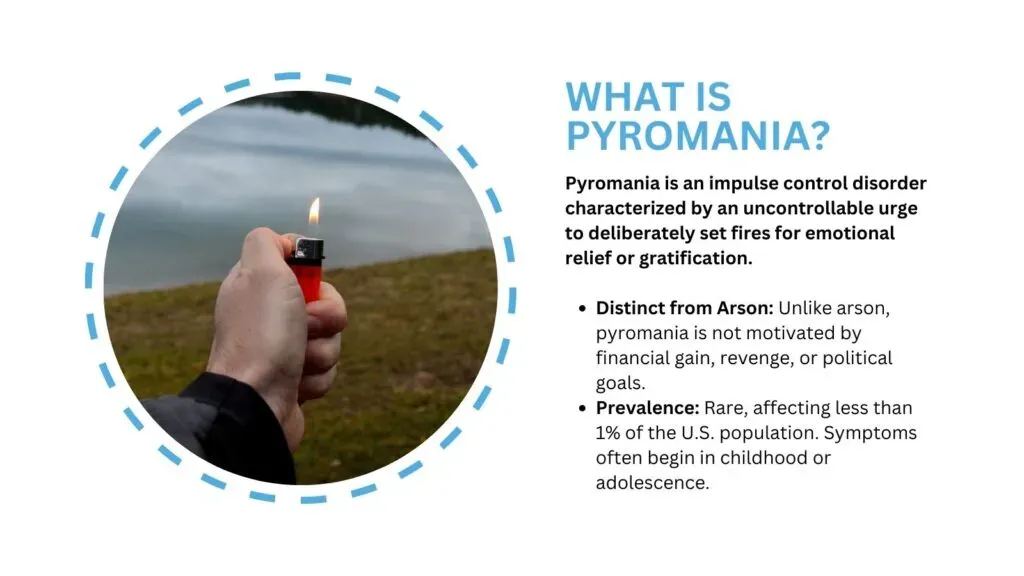
Pyromania is an impulse control disorder whereby one has an uncontrollable urge to deliberately set fires. Individuals with pyromania experience a buildup of tension or emotional arousal before the act of fire-setting, which is followed by a sense of relief or gratification once the fire is ignited.
Pyromania often coexists with other mental health disorders. For instance, there is a 61.9% comorbidity rate with mood disorders and a 47.6% rate with other impulse-control disorders, according to Grant JE et al. 2007 study titled “Clinical Characteristics and Psychiatric Comorbidity of Pyromania” published in the Journal of Clinical Psychiatry.
This disorder is distinct from arson, where the motive involves financial gain, revenge, or other personal benefits. According to the Diagnostic and Statistical Manual of Mental Disorders, Fifth Edition (DSM-5), pyromania requires recurrent fire-setting behavior without apparent external motives such as monetary gain or political statements.
Pyromania is characterized by a persistent fascination with fire and its associated paraphernalia, such as matches and lighters. People with this disorder derive pleasure from observing fires or being involved in their aftermath. Symptoms typically manifest during childhood or adolescence and persist into adulthood.
How Common is Pyromania?
Pyromania affects less than 1% of the U.S. population, making it rare. Among psychiatric inpatients, the prevalence is estimated to be between 3% and 6%, according to Vaughn MG et al.’s 2010 “ Prevalence and Correlates of Fire-setting in the United States” published by Comprehensive Psychiatry.
According to Vaughn’s study, interest in fire-setting is common among children, particularly between the ages of 12 and 14, but most do not meet the criteria for a pyromania diagnosis.
Who is Most Likely to Have Pyromania?
People most likely to have pyromania exhibit specific risk factors, such as gender, age, genetic predisposition, intellectual functioning, and environmental influences. The average age of onset for pyromania is approximately 18 years, with many individuals showing symptoms during childhood or adolescence. A notable 60% of firesetting incidents occur before age 15, according to Grant JE et al. ‘s 2007 study, “Clinical Characteristics and Psychiatric Comorbidity of Pyromania,” published in the Journal of Clinical Psychiatry.
The people likely to have pyromania include:
- Males: Pyromania is predominantly observed in males, with studies indicating that approximately 90% of diagnosed individuals are male, according to Dell’Osso B et al. ‘s 2006 study, “ Epidemiologic and Clinical Updates on Impulse Control Disorders,” European Archive of Psychiatry Clinical Neuroscience Journal.
- Children: The onset of pyromania typically occurs in childhood or adolescence, often before the age of 18, but persists into adulthood, according to Schreiber L et al. ’s 2011 study, “Impulse Control Disorders,” published in the Front Psychiatry Journal.
- People with a family history: A family history of mental health disorders, particularly impulse control disorders, increases the risk of developing pyromania. About 60% of individuals who exhibit firesetting behaviors have a family history of antisocial behaviors, according to Bevilacqua L et al.’s study titled “Genetics of Impulsive Behavior,” published in the Philosophical Transactions Journal.
- Individuals with Below Average IQ:: Individuals with below-average intelligence or learning disabilities are more likely to develop pyromania. In a recent study, it was found that 62.8% of U.S. adults had past exposure to ACEs, with emotional abuse being the most prevalent at 34.5%, according to Aslam MV et al.’s study titled “Adverse Childhood Experiences Among U.S. Adults” published in the American Journal of Preventive Medicine. This association stems from difficulties in social skills and coping mechanisms.
- Those Who Have Lived Through Trauma: Exposure to adverse childhood experiences such as neglect, abuse, or family dysfunction raises the risk. Traumatic events disrupt emotional regulation and coping strategies, leading to incendiary behaviors
Pyromania is not a commonly diagnosed disorder. This is due to individuals being reluctant to seek help or due to the lack of understanding and recognition of this condition by psychiatrists.
What Are the Symptoms of Pyromania?
The symptoms of pyromania are an uncontrollable urge to set fires, fascination with fire, tension relief, pleasure from fire-setting, and behavioral patterns. About 71.7% of individuals with a history of firesetting also have an alcohol use disorder, according to Blanco C et al.’s 2010 study titled “ Prevalence and Correlates of Fire-setting in the United States,” published in the Journal of Clinical Psychiatry.
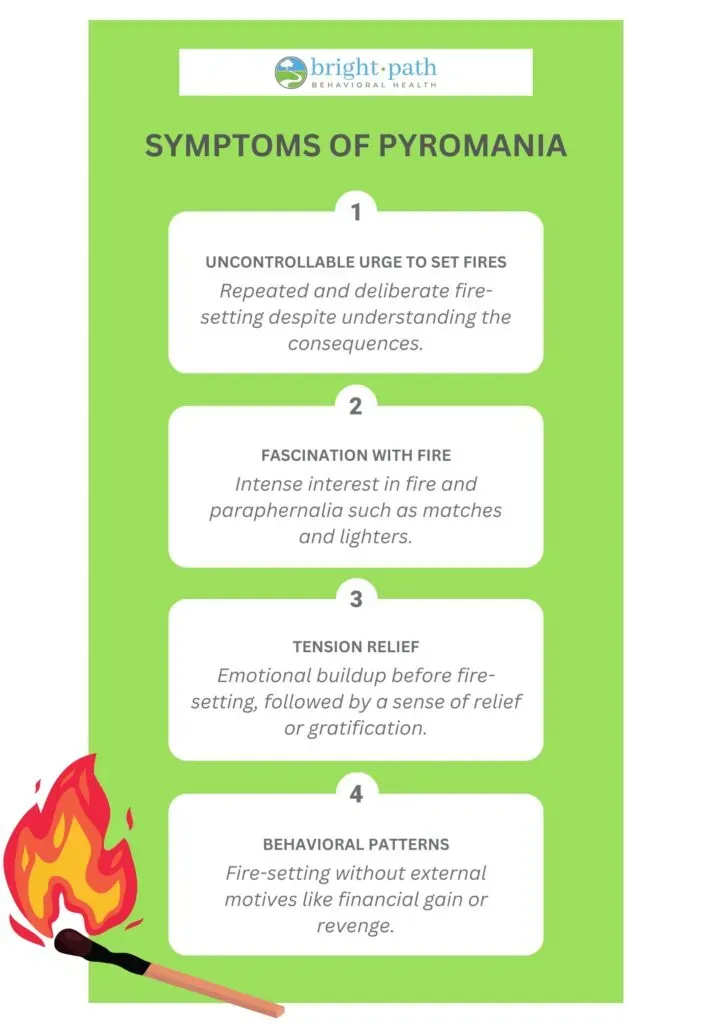
The symptoms of pyromania are listed below.
- Uncontrollable Urge to Set Fires: Individuals with pyromania repeatedly experience a powerful impulse to start fires despite understanding the potential harm involved.
- Fascination with Fire: People are intensely attracted to fire and fire-related paraphernalia, such as matches and lighters. This fascination manifests as collecting fire-associated items or seeking opportunities to observe fires.
- Tension Relief: Individuals feel a buildup of tension or anxiety before setting a fire. Fire-setting provides a significant release, leading to feelings of relief or pleasure afterward.
- Behavioral Patterns: Symptoms include repeated episodes of deliberate fire-setting without apparent motive, such as financial gain or revenge. This behavior is distinct from actions that are driven by other psychiatric conditions.
These symptoms are associated with individuals who have underlying psychological issues, such as trauma or impulse control disorders. The behavior is not a conscious decision but a manifestation of more profound emotional distress.
What Causes Pyromania?
The causes of pyromania are psychological, environmental, and genetic factors. Individuals diagnosed with pyromania report a history of childhood trauma, including neglect and abuse. Studies suggest that experiences such as witnessing inappropriate fire use contribute to the development of this disorder, according to Lippard ETC et al. 2020 study titled “The Devastating Clinical Consequences of Child Abuse and Neglect,” published in the American Journal of Psychiatry.
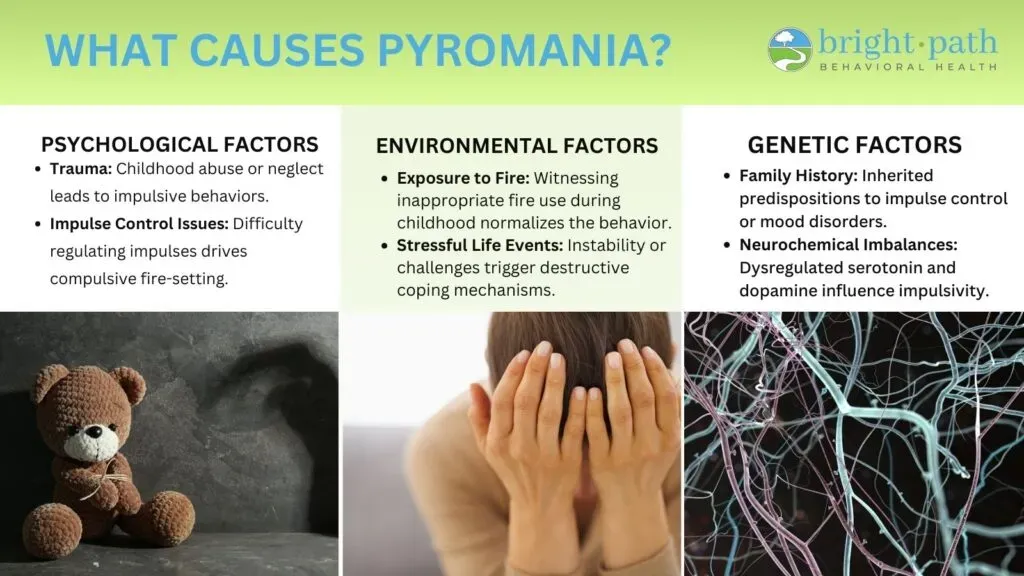
The causes of pyromania are listed below.
Psychological Factors: Psychological factors refer to the individual’s thoughts, emotions, and behaviors that contribute to the development of pyromania. They include trauma, mental health disorders and impulse control.
- Trauma: Individuals with a history of trauma, such as physical or emotional abuse, are more prone to develop pyromania. This condition is seen in children who have experienced neglect or adverse childhood experiences, which lead to impulsive behaviors as a coping mechanism.
- Mental Health Disorders: Pyromania frequently co-occurs with other psychiatric disorders, including anxiety, depression, bipolar disorder, and conduct disorder. These comorbid conditions worsen impulsive behaviors and increase the likelihood of fire-setting.
- Impulse Control: Pyromania is classified as an impulse-control disorder. Individuals struggle with regulating their impulses due to underlying psychological issues, leading to compulsive fire-setting behavior as a means of expressing emotions or seeking relief from stress.
Environmental Factors: Environmental factors refer to the social, cultural, and familial influences that contribute to the development of pyromania.
- Neglect and Abuse: Individuals with pyromania have had experiences of parental neglect or abuse during childhood. Such adverse environments foster anger and frustration, manifesting in destructive behaviors like fire-setting.
- Exposure to Fire: Children who witness inappropriate use of fire by adults or peers are likelier to imitate these behaviors. Early exposure normalizes fire setting as a form of expression or relief from stress.
- Stressful Life Events: Environmental stressors, such as family instability or socioeconomic challenges, trigger pyromanic behaviors. Individuals resort to setting fires as a way to cope with overwhelming feelings of anxiety or discontentment.
Genetic Factors: Genetic factors refer to inherited traits or predispositions influencing a person’s behavior.
- Family History: Individuals with a family history of mental health issues are more susceptible to inherited traits that affect behavior regulation.
- Neurochemical Imbalances: Imbalances in brain chemicals associated with mood and impulse control could contribute to the development of pyromania.
Impulsivity has a genetic component, influencing neurotransmitters such as dopamine and serotonin, which are critical for impulse control, according to Bevilacqua L et al. ‘s 2013 study, “Genetics of Impulsive Behaviour,” published in the Philosophical Transactions Journal. These biological factors influence how individuals respond to stress and manage their impulses.
Pyromania arises from a complex interplay of psychological, environmental, and genetic factors.
How Does Pyromania Develop Over Time?
Pyromania develops from childhood into adulthood, with symptoms emerging during puberty. Initially, children engage in fire-setting behaviors out of curiosity or as a means to relieve tension, which is linked to underlying issues such as depression or poor coping skills.
As they grow, key triggers for pyromania include stress, feelings of inadequacy, and interpersonal conflicts, which escalate the frequency and intensity of fire-setting behaviors. Adolescents and young adults experience heightened tension before setting fires and derive pleasure or relief from the act, reinforcing the behavior over time.
The disorder is predominantly male and is worsened by genetic predispositions and environmental factors like childhood abuse or neglect. If left unaddressed, pyromania leads to serious consequences, including legal issues and harm to both individuals and property.
What Part of the Brain Does Pyromania Affect?
Pyromania affects various regions of the brain, particularly those involved in emotional processing and impulse control. Key areas implicated include the prefrontal cortex, amygdala, cingulate cortex, hippocampus, and basal ganglia. The prefrontal cortex is crucial for decision-making and regulating impulses; its dysfunction leads to poor judgment and increased impulsivity, which are characteristic of pyromania.
The amygdala is involved in emotional responses, and heightened activity here contributes to the intense emotions experienced by individuals with pyromania when they set fires.
Neuroimaging studies have shown that the amygdala exhibits increased activation during emotional experiences, correlating with heightened emotional responses in both healthy individuals and those with mood disorders, according to Anderson, A. K. et al. 2007 study titled “ Feeling Emotional: The amygdala Links Emotional Perception and Experience” published in the Social Cognitive and Affective Neuroscience Journal.
The cingulate cortex and hippocampus play roles in emotional regulation and memory processing, respectively, influencing the motivations behind fire-setting behaviors. Neurotransmitter imbalances, particularly involving serotonin and dopamine, further complicate these dynamics, potentially heightening impulsivity and emotional dysregulation.
What is the Comorbidity of Pyromania?
The comorbidity of pyromania is high and is associated with various mental health conditions like mood disorders, impulse control disorders, substance use disorders, attention deficit hyperactivity disorder, and anxiety disorders.
Here are some common mental health conditions associated with pyromania:
- Mood Disorders: Approximately 61.9% of individuals with pyromania have comorbid mood disorders, including depression and bipolar disorder, according to Blanco C et al. 2010 study titled “Prevalence and Correlates of Fire-setting in the United States” published in the Journal of Clinical Psychiatry.
- Impulse Control Disorders: Around 47.6% also meet the criteria for other impulse control disorders, indicating a significant overlap with conditions like intermittent explosive disorder, according to Jan H et al. ‘s 2017 study, “11th European Headache Federation Congress jointly with 31st Congress of the Italian Society for the Study of Headaches,” published in the Journal Headache Pain.
- Substance Use Disorders: Individuals with pyromania struggle with substance abuse, which worsens their impulsive behaviors. Approximately 33% of individuals diagnosed with pyromania also have substance use disorders, according to Blanco C et al.’s 2010 study titled, “ Prevalence and Correlates of Fire-setting in the United States,” published in the Journal of Clinical Psychiatry. This highlights an overlap between these conditions.
- Attention Deficit Hyperactivity Disorder (ADHD): ADHD is commonly linked to pyromania, as individuals have difficulty controlling impulses, making them more susceptible to engaging in fire-setting behavior. In a study involving psychiatric outpatients, 57.8% of patients who engaged in fire-play or arson were diagnosed with ADHD, according to Sasaki Y et al. 2023 study titled, “Clinical Characteristics of Child and Adolescent Psychiatric Outpatients Engaging in Fire-play or Arson: published in the Journal of Child Adolescent Psychiatry of Mental Health.
- Anxiety Disorders: Anxiety co-occurs with pyromania, contributing to the distress that leads to fire-setting as a coping mechanism. In a nationally representative study of U.S. residents, the prevalence of lifetime fire-setting was found to be 1.0% among the population aged 18 and older, according to Vaughn MG et al. ‘s 2010 study, “Prevalence and Correlates of Fire-setting in the United States,” published in the Comprehensive Psychiatry Journal. This suggests that fire-setting is relatively rare but enough to warrant attention.
Also, certain risk factors increase an individual’s likelihood of developing pyromania, such as a history of trauma or exposure to fire-related imagery or events during childhood.
behaviors.
How Is Pyromania Diagnosed?
Pyromania is diagnosed using a structured process that includes clinical interviews, symptom assessments, and psychological assessments, according to Parks RW et al. ‘s 2005 study, “ Response of Pyromania to Biological Treatment in a Homeless Person,” published in the Neuropsychiatric Disease and Treatment Journal.
The diagnostic process is primarily guided by the criteria established in the DSM-5 (Diagnostic and Statistical Manual of Mental Disorders, Fifth Edition).
Here’s how the diagnosis is conducted:
- Clinical Interviews: A psychiatrist conducts detailed interviews with the individual to gather information about their history, including family background, past behaviors, and current symptoms related to fire-setting. This step is crucial for understanding the context of the behavior.
- Psychological Assessments: Although there are no standardized tests specifically for diagnosing pyromania, mental health professionals use general psychological assessments to identify underlying mental health issues that could contribute to the behavior.
- Behavioral Observation: Clinicians observe the individual’s behavior patterns over time to understand their relationship with fire and any associated emotional responses. This helps in distinguishing pyromania from other impulse control disorders or motivations for fire-setting.
- Ruling Out Other Disorders: It is essential to rule out other psychiatric conditions that might explain the fire-setting behavior. For instance, if an individual sets fires due to substance intoxication or as part of a manic episode in bipolar disorder, they would not qualify for a pyromania diagnosis.
The comprehensive evaluation process ensures that only those who genuinely exhibit the characteristics of pyromania receive a diagnosis, which is crucial given the complexity of impulse control disorders and their overlap with other mental health issues.
What Are the Treatment Options for Pyromania?
The treatment options for pyromania are Cognitive Behavioral Therapy (CBT), Dialectical Behavior Therapy (DBT), Motivational Interviewing (MI), Family Therapy, Support Groups, and Medications. Among these options, Cognitive Behavioral Therapy (CBT) is regarded as the most effective treatment for pyromania due to its structured approach to addressing the cognitive distortions that lead to fire-setting behaviors.
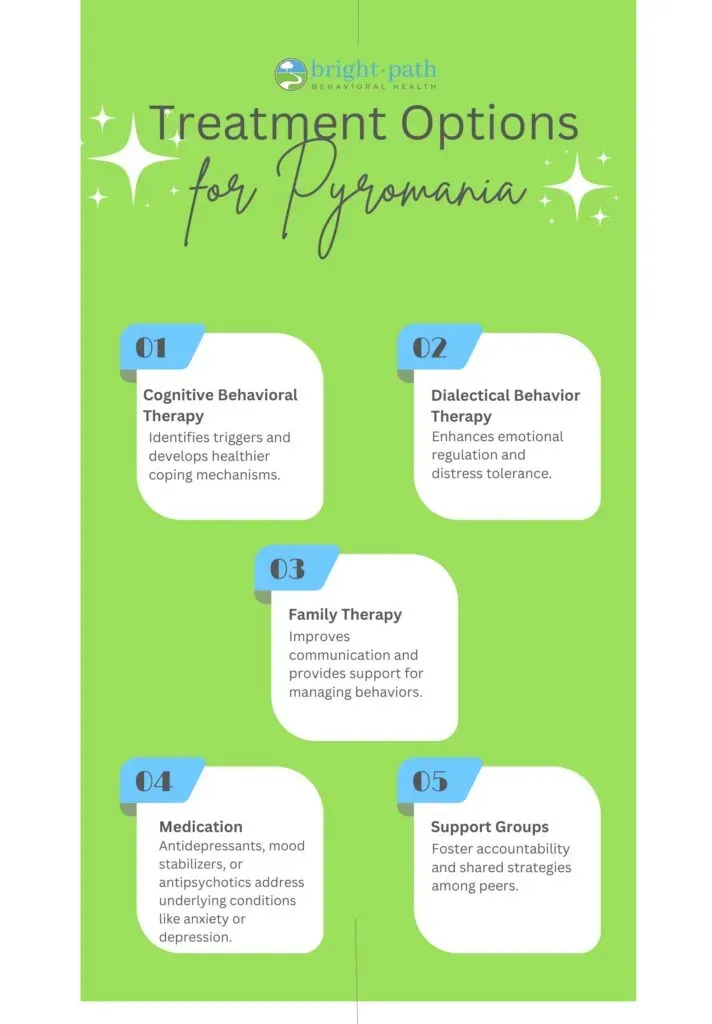
The treatment options for Pyromania include:
1. Cognitive Behavioral Therapy (CBT)
Cognitive Behavioral Therapy (CBT) employs techniques like cognitive restructuring, which helps individuals identify and challenge negative thought patterns that contribute to their impulsive behaviors. Additionally, impulse control training teaches individuals strategies to effectively manage their urges to set fires.
CBT helps pyromaniacs by providing them with tools to understand the triggers of their behavior, thereby facilitating healthier coping mechanisms and reducing the frequency of fire-setting incidents.
In a trial involving patients with Parkinson’s disease experiencing impulse control behaviors, 75% of participants in the CBT intervention group showed improvement compared to only 29% in the control group after 6 months.
This was statistically significant (χ² = 16.46, p < 0.001), indicating a strong effect of CBT on reducing symptom severity, according to Okai D et al. 2013 study titled, “Trial of CBT for Impulse Control Behaviors Affecting Parkinson Patients and their Caregivers” published in the Neurology Journal. The structured nature of CBT allows for measurable progress, making it a cornerstone in the treatment of pyromania.
2. Dialectical Behavior Therapy (DBT)
Dialectical Behavior Therapy (DBT) emphasizes emotional regulation and distress tolerance. It equips individuals with skills to manage intense emotions without resorting to destructive behaviors like fire-setting. DBT helps pyromaniacs by teaching them how to cope with emotional distress in healthier ways, ultimately reducing impulsivity related to their condition.
In a larger RCT involving 101 participants, those receiving DBT showed more significant reductions in suicide attempts, psychiatric hospitalizations, and emergency room visits throughout a 12-month treatment period compared to those receiving expert community treatment, according to Chapman AL et al. 2006 study titled, “Dialectical Behavior Therapy” published in the Journal of Psychiatry.
3. Motivational Interviewing (MI)
Motivational Interviewing (MI) utilizes techniques to enhance an individual’s motivation and commitment to change. This approach benefits pyromaniacs who struggle with ambivalence about seeking help or modifying their behavior.
MI helps by fostering a supportive environment where individuals explore their motivation for change, leading to increased self-efficacy and a greater likelihood of treatment engagement. In studies focused on alcohol problems, MI yielded effect sizes ranging from 0.43 against other treatments to 0.18 against no treatment, indicating its comparative effectiveness, according to Foxcroft DR,2016 et al titled, “ Motivational Interviewing For the Prevention of Alcohol Misuse in Young Adults” published in the Cochrane Database Systematic Reviews. This shows that MI improves treatment adherence and outcomes across various mental health conditions.
4. Family Therapy
Family therapy involves family members in the treatment process, helping to improve communication and understanding among all parties. It provides a platform for discussing issues related to fire-setting behaviors within the family context, promoting collective healing.
Family therapy has shown efficacy in improving familial relationships and reducing conflict, which is crucial for recovery from pyromania.
5. Support Groups
Group therapy serves as a valuable resource for individuals with pyromania by reducing feelings of isolation and fostering accountability among peers. These support groups provide a safe space where participants share experiences and coping strategies related to their impulses.
Research indicates that group therapy enhances social support networks, which are essential for recovery from impulse control disorders like pyromania. Participants report feeling less alone in their struggles, which motivates them to adhere to treatment plans.
6. Medications
Selective serotonin reuptake inhibitors are commonly prescribed to manage underlying anxiety or depression associated with pyromania. Based on FDA data, the average effect size for SSRIs is approximately 0.31, according to John PA et al. 2008 study titled, “Effectiveness of antidepressants: an evidence myth constructed from a thousand randomized trials?” published in the Springer Nature Journal. This indicates a small to modest benefit in alleviating depressive symptoms.
Mood stabilizers help regulate mood swings that might trigger impulsive fire-setting behavior. Atypical antipsychotics are also used when symptoms suggest possible psychotic features contributing to impulse control issues. Other medications used are antiepileptic medications, lithium, and anti-androgens.
Can Pyromania Be Cured?
No. Pyromania cannot be cured, but effective treatment options are available to help manage the disorder. The prognosis for individuals with pyromania improves with consistent management, which includes cognitive behavioral therapy (CBT) to address underlying thoughts and behaviors, as well as medication to manage symptoms of co-occurring mental health issues like anxiety or depression. Continuous engagement in therapeutic practices, family support, and coping strategies are important for reducing fire-setting behaviors and enhancing overall emotional well-being.
How to Manage Pyromania in the Long-term
To manage pyromania long-term, consider using strategies such as Cognitive Behavioral Therapy (CBT), Medication Management, and Family Involvement.
A study found that individuals with pyromania reported an average frequency of setting fires of about 1 fire every 5.9 weeks, indicating a pattern of impulsive behavior that CBT aims to address. Grant JE et al. 2007 study, “ Clinical Characteristics and Psychiatric Comorbidity of Pyromania,” was published in the Journal of Clinical Psychiatry.
The following ways are used to manage pyromania.
- Cognitive Behavioral Therapy (CBT): Engage in CBT to identify and alter harmful thought patterns associated with fire-setting behaviors. This therapy helps develop healthier coping mechanisms and stress management skills.
- Medication Management: Consult with a healthcare provider about medications that help manage underlying symptoms such as anxiety or depression. Antidepressants and mood stabilizers are beneficial in reducing impulsive behaviors.
- Family Involvement: Incorporate family therapy to strengthen support systems and improve communication within the family. This creates a healthier home environment for the individual.
Implementing these strategies aids in managing pyromania over the long term, fostering healthier coping mechanisms and reducing the risk of relapse.
How to Help Someone With Pyromania?
To help someone with pyromania, consider encouraging professional help from a psychiatrist, supporting therapy participation, promoting healthy coping mechanisms, educating on fire safety, and maintaining open communication.
- Encourage Professional Help: Suggest that they seek guidance from a mental health professional experienced in treating impulse control disorders.
- Support Therapy Participation: Encourage them to engage in therapies such as cognitive behavioral therapy (CBT), which helps them better understand and manage their impulses.
- Promote Healthy Coping Mechanisms: Assist them in identifying and developing healthier ways to cope with stress or emotional distress, reducing the urge to set fires.
- Educate on Fire Safety: Provide education about the dangers and legal consequences of fire-setting behaviors, reinforcing the importance of fire safety.
- Maintain Open Communication: Foster a supportive environment where they feel safe discussing their feelings and triggers without judgment.
Sociodemographic factors that increase the likelihood of fire-setting behavior include being male, older than 30 years, never married, US-born, and having a higher income (over $70,000), according to Blanco C, et al. 2010 study titled “Prevalence and Correlates of Fire-setting in the United States” published in the Journal of Clinical Psychiatry. This shows the complexity and rarity of pyromania as a mental health disorder, emphasizing the need for targeted treatment approaches that address both the disorder itself and any co-occurring conditions.
Can You Prevent Pyromania?
Yes, you can prevent pyromania by addressing the risk factors like early intervention, education about fire safety, and providing a stable environment. It is important to recognize and manage underlying emotional and behavioral issues, particularly in children who exhibit fire-setting behavior.
Strategies such as engaging in cognitive behavioral therapy (CBT), fostering healthy coping mechanisms, and ensuring supervision reduce the likelihood of developing pyromania. Additionally, educating individuals about the dangers of fire and monitoring their access to fire-starting materials are crucial preventive measures.
How Does Pyromania Differ From Other Fire-related Behaviors?
Pyromania differs from other fire-related behaviors in that it is classified as an impulse control disorder characterized by an uncontrollable urge to set fires, primarily for psychological relief rather than for external motives.
Here are the key distinctions of pyromania from other fire-related behaviors
- Arson: Arson involves intentionally setting fires with malicious intent, often for personal, monetary, or political gain. While both pyromania and arson involve fire-setting, arson is a criminal act aimed at achieving specific goals. In contrast, pyromania is driven by psychological needs, resulting in emotional relief or gratification without external motives.
- Pyrophilia: Pyrophilia refers to a sexual attraction to fire or the act of burning. Unlike pyromania, where fire-setting is driven by impulse control issues and emotional release, pyrophilia is primarily about sexual arousal associated with fire.
- Fire-Setting Behavior in Conduct Disorder: Fire-setting is one of several aggressive behaviors exhibited by children or adolescents. It serves as a means of expressing anger or defiance rather than the compulsive need seen in pyromania. Individuals with conduct disorder may not experience the same emotional tension before setting a fire.
- Pathological Fire-Setting: Pathological fire-setting involves a broader range of fire-setting behaviors that do not meet the criteria for pyromania but still indicate problematic behavior. It includes various motivations and does not necessarily involve the intense psychological gratification found in true pyromania.
- Fire Obsession: Fire obsession behavior involves a compulsive fascination with fire without necessarily acting on that impulse. Individuals with fire obsession do not engage in actual fire-setting, but their interest remains theoretical or observational, contrasting with the active impulse to set fires seen in pyromania.
- Compulsive Fire-Setting: Compulsive fire-setting occurs as part of other mental health disorders and is not driven by the exact psychological needs of pyromania. Compulsive fire-setters might act on their urges without the specific emotional buildup and subsequent relief that characterize pyromania
- Burning Desire Syndrome: Burning desire syndrome describes sexual arousal linked to the act of burning or being near fire. While burning desire syndrome focuses on sexual gratification tied to fire, pyromania is rooted in impulse control and emotional relief rather than sexual motivations.
Pyromania is distinct from other fire-related behaviors due to its classification as an impulse control disorder characterized by emotional tension before and relief after setting fires. Other behaviors involve different motivations, such as criminal intent or sexual arousal, which do not align with the psychological underpinnings of pyromania.
What are the Social and Legal Implications of Pyromania?
The social implications and legal implications of pyromania include stigma, societal impact, and legal consequences.
- Stigma: Individuals diagnosed with pyromania face stigma due to the nature of their disorder. This stigma leads to social isolation, discrimination, and negative perceptions from others, as fire-setting behaviors are dangerous and irrational.
The fear associated with fire-related incidents causes communities to exclude individuals with this condition from society, further worsening their mental health issues and hindering their treatment options.
- Societal Impact: Pyromania is a rare disorder with a profound societal impact. Pyromaniacs unintentionally endanger lives and cause extensive property damage, leading to increased public safety concerns. Communities experience heightened anxiety about fire-related incidents, which disrupts daily life and strains local resources, such as emergency services.
- Legal Consequences: While pyromania is not driven by malicious intent like arson, individuals still face criminal charges related to property damage or public endangerment. This results in incarceration or civil liabilities for damages caused by their actions. Legal systems struggle to differentiate between those who set fires out of impulse control issues versus those who do so for financial gain or revenge, complicating the legal ramifications for individuals with pyromania.
Pyromania is a serious mental disorder with far-reaching consequences for both individuals and communities. It is important for those affected by this disorder to seek help and support in managing their impulses.