
-1.svg)
Supporting a teenager who is struggling with their mental health feels like a daunting task, but you’re not alone, and help is available. In North Carolina, as in many parts of the country, mental health concerns among teens are rising at an alarming rate.
In 2021, 22% of NC high school students said they seriously considered attempting suicide during the past year. Many other mental health conditions, like depression, anxiety, and behavioral disorders, usually go unnoticed.
For teens between the ages of 15 and 29, suicide is one of the leading causes of death, underscoring just how serious these issues become without proper attention. However, early recognition and timely support make a significant difference.
Whether you’re a parent, teacher, or caring adult, understanding the signs of mental distress and knowing how to respond with compassion is the first step toward helping a young person feel seen, supported, and on the path to healing.
What are the Teen Mental Health Issues?
Teen mental health issues include a wide range of emotional, behavioral, and psychological challenges that significantly affect a young person’s well-being and development.
Common conditions among teenagers include anxiety disorders, depression, attention-deficit/hyperactivity disorder (ADHD), eating disorders, post-traumatic stress disorder (PTSD), and substance use disorders.
These issues surface as mood changes, withdrawal from family or friends, academic struggles, irritability, or risky behaviors. Teens also experience overwhelming stress related to school, social pressure, identity struggles, or family conflict, which intensify existing mental health concerns.
From 2019 to 2021, the risk of teenagers experiencing one or more major depressive episodes in North Carolina increased by 46%. Many mental health issues, particularly anxiety and depression, go undetected during adolescence, as symptoms are subtle or mistaken for normal teen behavior. However, early intervention plays a key role in improving outcomes and helps prevent long-term emotional and psychological consequences.
What are the Causes and Risk Factors of Teen Mental Health Issues?
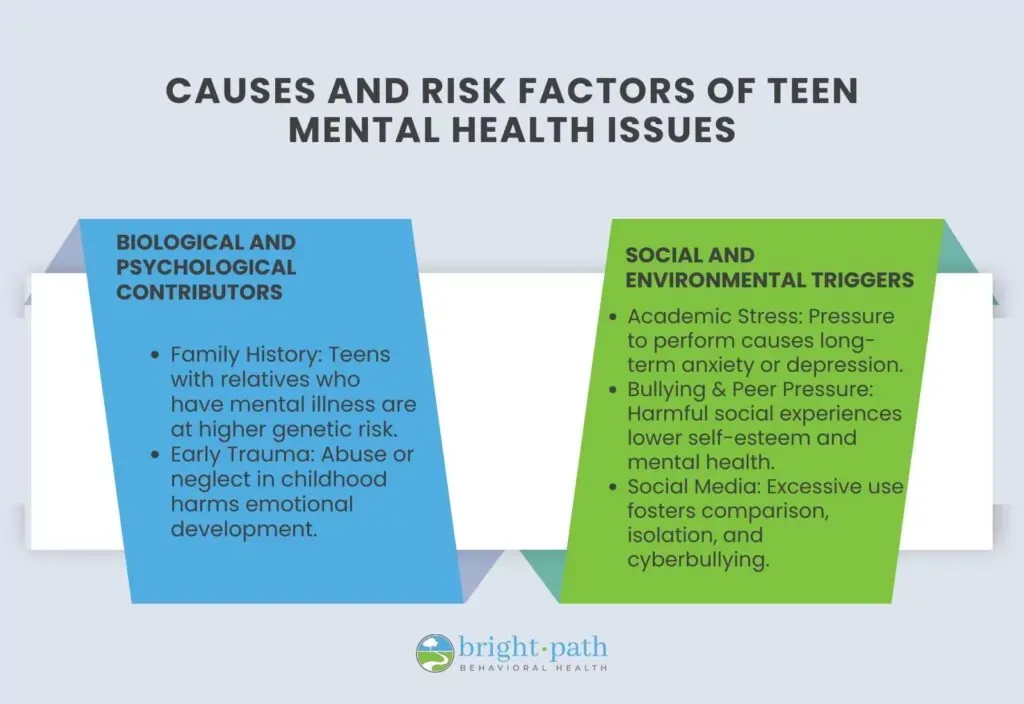
The causes and risk factors of teen mental health issues include a combination of biological, psychological, social, and environmental influences. These factors vary from one individual to another, but understanding them is key to identifying and addressing mental health challenges early.
Biological and Psychological Contributors:
- Genetics and family history of conditions like bipolar disorder or depression: Teens with a family background of mental illness have a higher risk due to inherited traits.
- Trauma, abuse, and childhood neglect: Experiencing emotional, physical, or sexual abuse during childhood deeply impacts a teen’s mental and emotional development.
Social and Environmental Triggers:
- Academic pressure and performance expectations: High expectations and the stress to succeed lead to chronic anxiety or depression.
- Bullying and peer pressure: Negative social experiences, including bullying or the urge to conform, damage self-esteem and emotional health.
- Negative impact of excessive social media use: Overuse of social media leads to unhealthy comparisons, cyberbullying, and reduced face-to-face interaction, contributing to isolation and low self-worth.
What are the Warning Signs of Mental Health Issues in Teens?
The warning signs of mental health issues in teens include noticeable changes in mood, behavior, and daily functioning that persist over time and interfere with their ability to cope with everyday life.
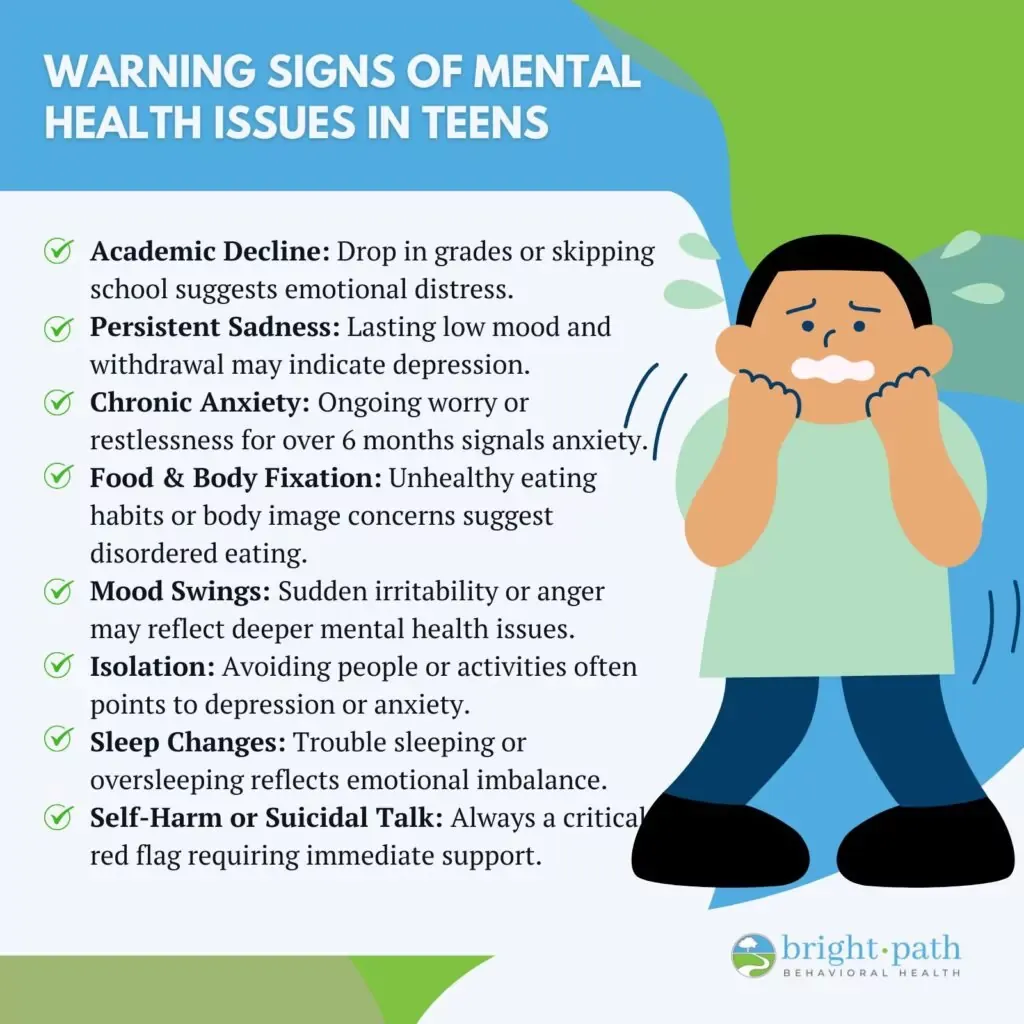
These signs are subtle at first, but become more disruptive if left unaddressed.
Behavioral and Emotional Symptoms:
- Decline in academic performance or skipping school: A sudden lack of interest in school, falling grades, or frequent absences are signs that a teen is emotionally overwhelmed or disengaged.
- Persistent sadness lasting more than two weeks: Ongoing feelings of sadness, emptiness, or hopelessness indicate depression, especially when paired with withdrawal from friends or activities.
- Intense worry lasting 6+ months: Constant nervousness, excessive fear, or restlessness that interferes with daily life suggests an anxiety disorder.
- Obsession with weight or food: Drastic dieting, skipping meals, or frequent body-checking point to underlying issues like anorexia or bulimia.
- Sudden mood swings or irritability: Extreme emotional reactions, anger outbursts, or shifting moods without a clear cause signal underlying psychological distress.
- Social withdrawal and isolation: Avoiding friends, family, or previously enjoyed activities is a sign of depression or anxiety.
- Changes in sleep patterns: Sleeping too much, too little, or experiencing frequent insomnia reflect emotional imbalance.
- Self-harm or talk of suicide: Any mention of self-injury, hopelessness, or suicidal thoughts must be taken seriously and addressed immediately.
How to Create a Safe and Supportive Environment for Teens with Mental Health Issues?
To create a safe and supportive environment for teens with mental health issues, you must focus on both their physical surroundings and emotional well-being. A stable and nurturing home plays a critical role in helping teens manage their mental health and feel secure during challenging times.
Physical Safety at Home:
- Secure medications, alcohol, and other harmful substances: Keep potentially dangerous items locked away to reduce the risk of misuse or harm.
- Maintain a calm, organized living space: A tidy and peaceful environment lowers stress and helps teens feel more in control.
Emotional Security and Trust:
- Practice open, judgment-free communication: Create space for honest conversations without fear of criticism.
- Listen with empathy and patience: Make teens feel heard and understood, even if you don’t always have immediate solutions.
Promote Healthy Relationships:
- Encourage friendships with supportive peers: Positive social connections boost confidence and emotional resilience.
- Talk about toxic relationships and dating violence: Help teens recognize unhealthy behaviors and know when to seek help.
Build Consistent Routines:
- Set structured schedules for sleep, meals, exercise, and study: Predictable routines
provide a sense of stability.
- Plan regular device-free time for family bonding: Shared activities without screens help strengthen trust and connection.
How to Regularly Check In With Your Teen?
To regularly check in with your teen, create a space where they feel safe, heard, and supported. Meaningful conversations strengthen trust and help you notice early signs of emotional or mental distress.
Here are some ways to make your check-ins more effective:
- Avoid surface-level questions: Instead of asking “How was your day?” try “What was the best or toughest part of your day?”
- Use active listening instead of jumping to solutions: Focus on understanding their feelings without rushing to fix the problem.
- Listen actively without judgment or interruption: Let them speak freely, and respond with validation rather than criticism.
- Recognize and respond to behavioral or emotional red flags: Pay attention to changes in mood, sleep, appetite, or social behavior, and gently ask what’s going on.
- Make check-ins part of your routine: Talk during car rides, meals, or walks, and casual moments lead to meaningful conversations.
- Respect their boundaries while staying engaged: If they’re not ready to talk, let them know you’re always available when they are.
What Is the Role of Family Therapy in Helping Teens with Mental Health Issues?
The role of family therapy in helping teens with mental health issues includes creating a space where the entire family works together to support the teen’s healing. It helps address communication breakdowns by teaching healthier ways to talk, listen, and resolve conflict. Through guided conversations, family members better understand the teen’s emotional experience and learn how to respond with empathy rather than judgment. This process not only supports the teen but also promotes healing and understanding across generations. Parent coaching groups uncover unhealthy patterns that contribute to stress or emotional distress at home and offer strategies to create a more supportive, stable environment. By involving the whole family, therapy strengthens relationships, rebuilds trust, and reinforces the message that the teen is not alone in their journey.
How to Navigate Difficult Conversations with Teens?
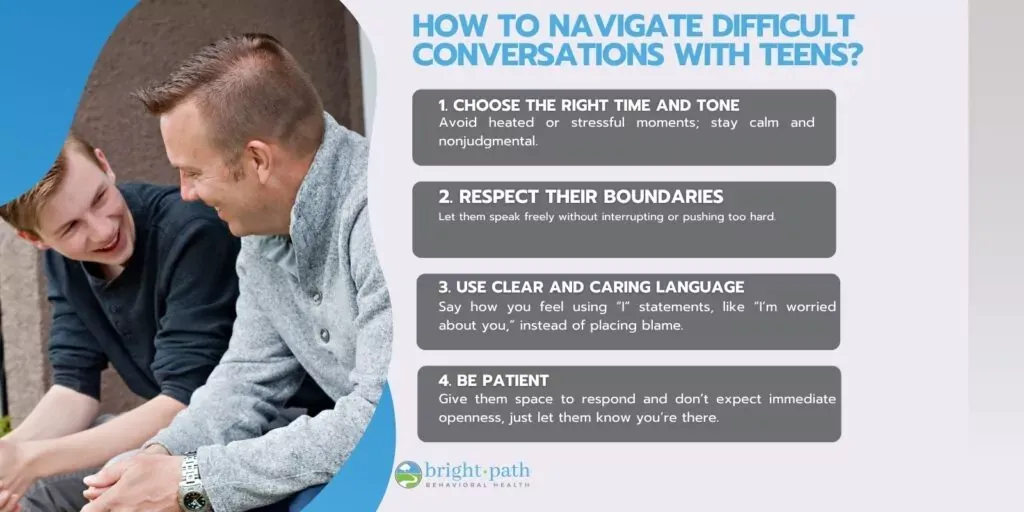
To start a difficult conversation with your teen, approach it calmly and with empathy. Choose a quiet time when neither of you is rushed or upset. Avoid lecturing or blaming, use a respectful tone, and focus on listening.
- Choose the right time and tone: Avoid heated or stressful moments; stay calm and nonjudgmental.
- Respect their boundaries: Let them speak freely without interrupting or pushing too hard.
- Use clear and caring language: Say how you feel using “I” statements, like “I’m worried about you,” instead of placing blame.
- Be patient: Give them space to respond and don’t expect immediate openness, just let them know you’re there.
How to Help Teens Build Coping Strategies?
To help teens build coping strategies, start by encouraging them to recognize and understand their emotions, which is the foundation for managing teen stress and difficult situations. Teach them healthy outlets like journaling, exercise, or creative expression to process their feelings constructively.
Model positive coping behaviors yourself, such as deep breathing, taking breaks, or talking things through, so they see how to respond calmly under pressure. Support their problem-solving skills by guiding them to break challenges into smaller steps and explore practical solutions. Reinforce the importance of routines, self-care, and staying connected to supportive people, as these habits create stability and resilience during tough times.
When and How to Seek Professional Help for Teens with Mental Health Issues?
To seek professional help for a teen with mental health issues, act when emotional or behavioral changes persist and begin to disrupt daily life. If your teen shows ongoing sadness, anxiety, withdrawal, or talks about self-harm, it’s time to involve a mental health professional. Recognizing the need for support is an important step, not a sign of failure. A licensed therapist, school counselor, or pediatrician helps assess the situation and recommend the right type of care, such as individual or family therapy. Early intervention prevents symptoms from worsening and supports long-term emotional well-being.
Is therapy effective for teenagers?
Yes, therapy is effective for teenagers. It provides a safe and supportive space where teens explore their thoughts, emotions, and behaviors with a trained mental health professional. Therapy helps them develop healthy coping skills, improve self-esteem, and manage issues like anxiety, depression, trauma, or family conflict.
Evidence-based approaches such as cognitive-behavioral therapy (CBT), dialectical behavior therapy (DBT), and family therapy have shown strong success rates in treating mental health conditions in adolescents. The effectiveness of therapy depends on the teen’s willingness to engage and the quality of the therapeutic relationship, but with the right approach, it leads to meaningful and lasting improvements in their mental and emotional well-being.
Can social media affect my teen’s mental health?
Yes, social media can affect your teen’s mental health, both positively and negatively. While it provides connection, support, and a sense of belonging, excessive or unregulated use contributes to issues like anxiety, depression, low self-esteem, and poor sleep.
Teens are especially vulnerable to social comparison, cyberbullying, and the pressure to maintain a perfect online image, all of which impact their emotional well-being. In 2022, youths aged 10 to 17 made the third-highest proportion of hospital visits related to suicidal ideation at 23% and the highest for self-inflicted injury at 37% of all total visits, according to the North Carolina Department of Health and Human Services.
Constant exposure to curated content distorts their perception of reality and self-worth. However, with healthy boundaries, open communication, and mindful use, social media is part of a balanced and supportive digital life.